George Harrison's love of India, its music and philosophies, would have a profound effect on the Beatles and, as they were leaders of pop cultural matters in the mid to late 1960s, this influence would extend beyond the band to the rest of the world.
Allegedly first introduced to the sitar by Roger McGuinn and David Crosby of the Byrds in California in 1965, Harrison, the instrument first appeared on a Beatles track on Norwegian Wood.
The Beatles were not the only band interested in the exotic sounds of the sitar, in particular its drone effect. The Kinks, the Who and most importantly the Yardbirds can claim to have been ahead of the Beatles in utilising the Indian instrument on some of their tracks.
However, they did not go as far as Harrison and record a track that was closer to Hindustani music than to European pop music. Using musicians from the North London Asian Music Circle, Love You To, on Revolver started a minor pop music trend. Followed up by Within Without You on Sgt. Peppers Lonely Hearts Club band, the use of the sitar in pop and rock quickly became a shorthand for exoticism, spirituality and transcendence. In other words its was another way of saying that the music was like a trip!
Unfortunately, as Harrison discovered, the sitar is a difficult instrument to master and its use does not always complement the structure of pop music. Masters of the instrument such as Ravi Shankar and Ali Akbar Khan found themselves becoming increasingly popular in the US and Europe and audiences strove to become part of this authentic and new (to their ears) music.
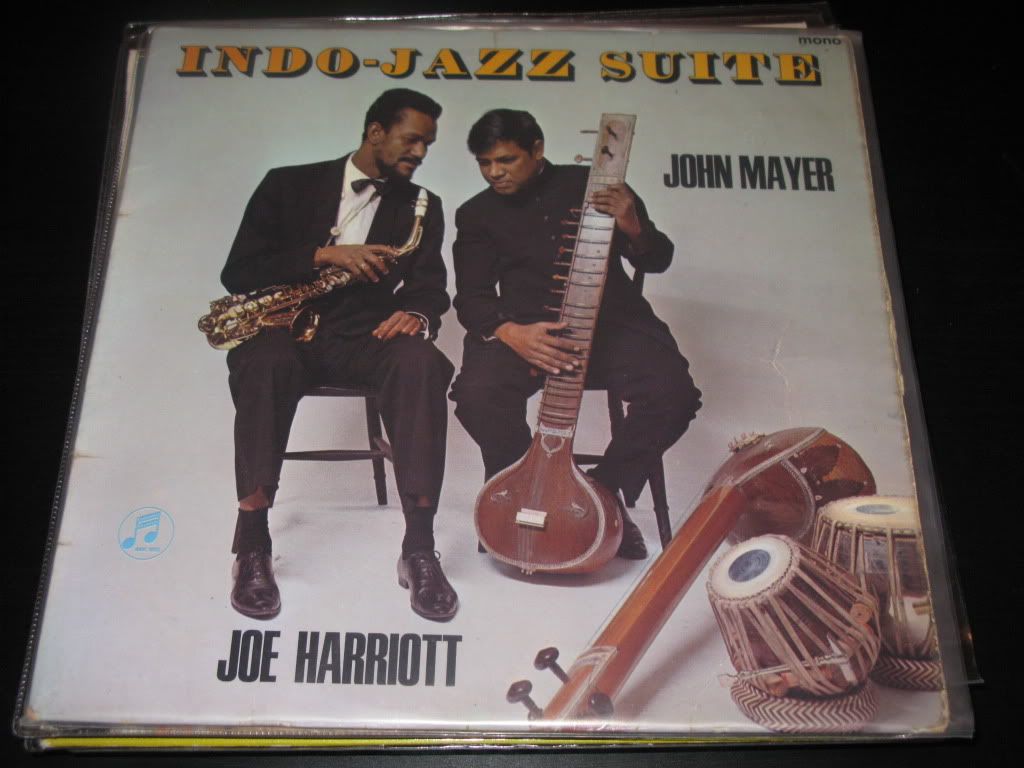
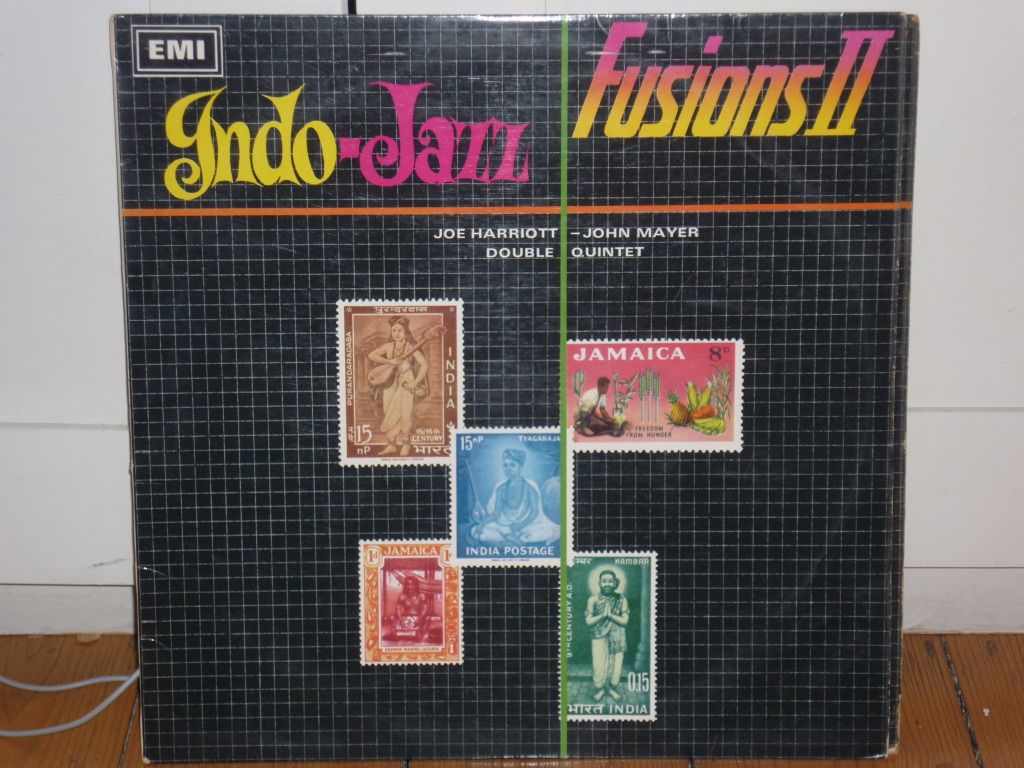
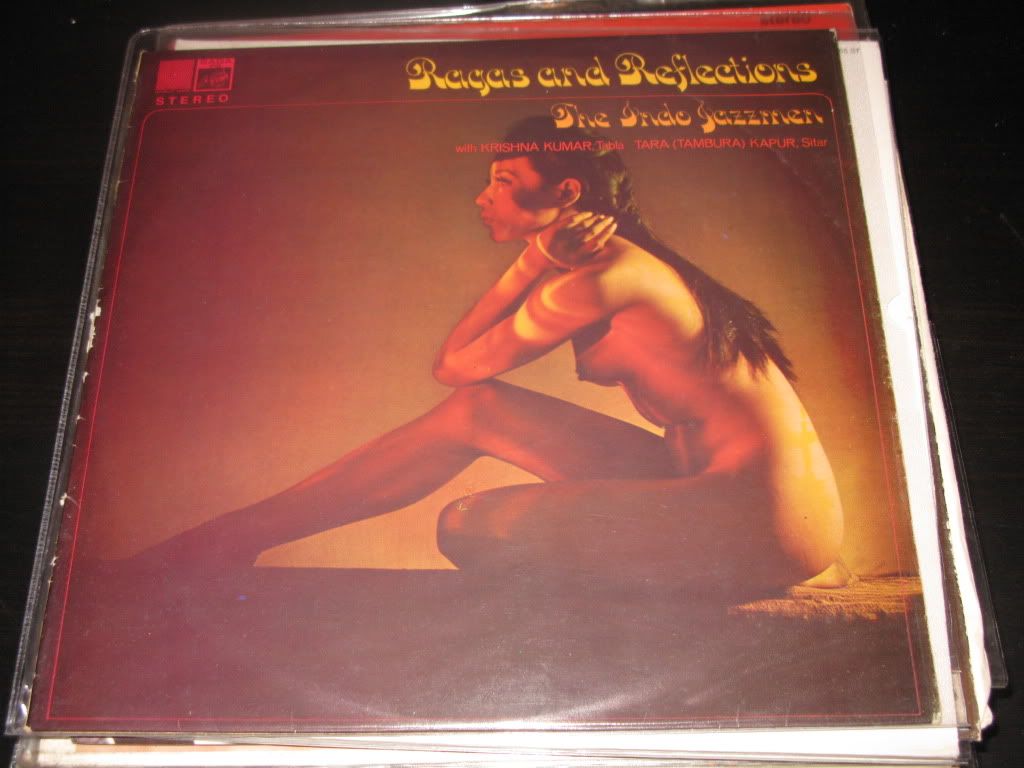
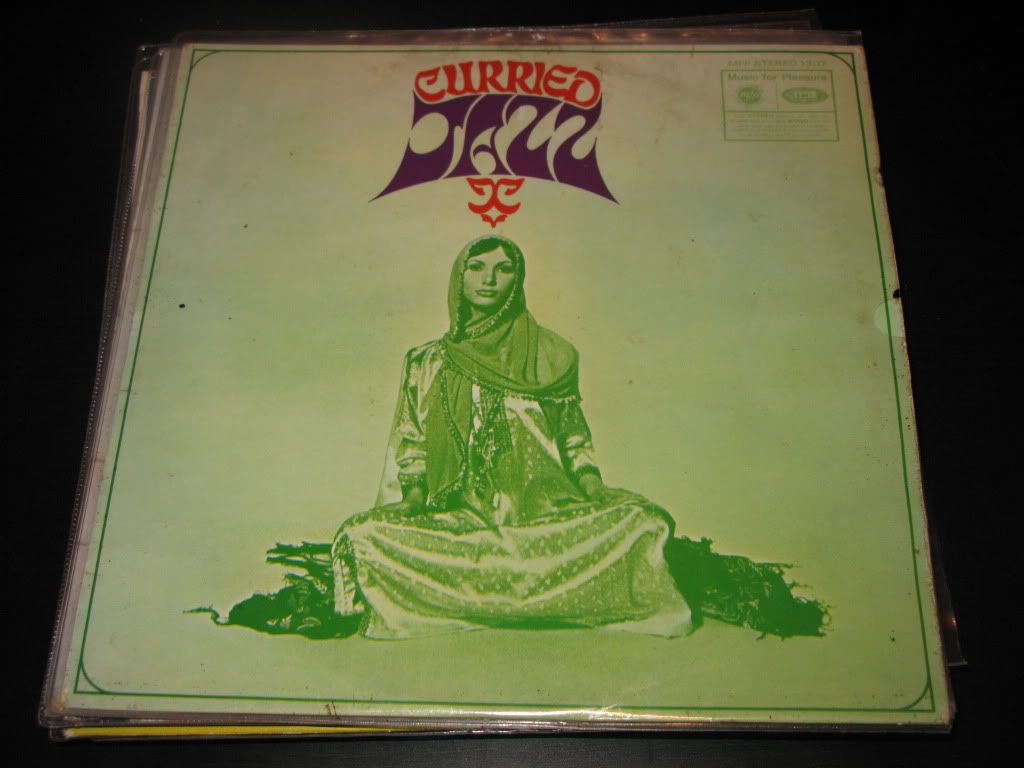
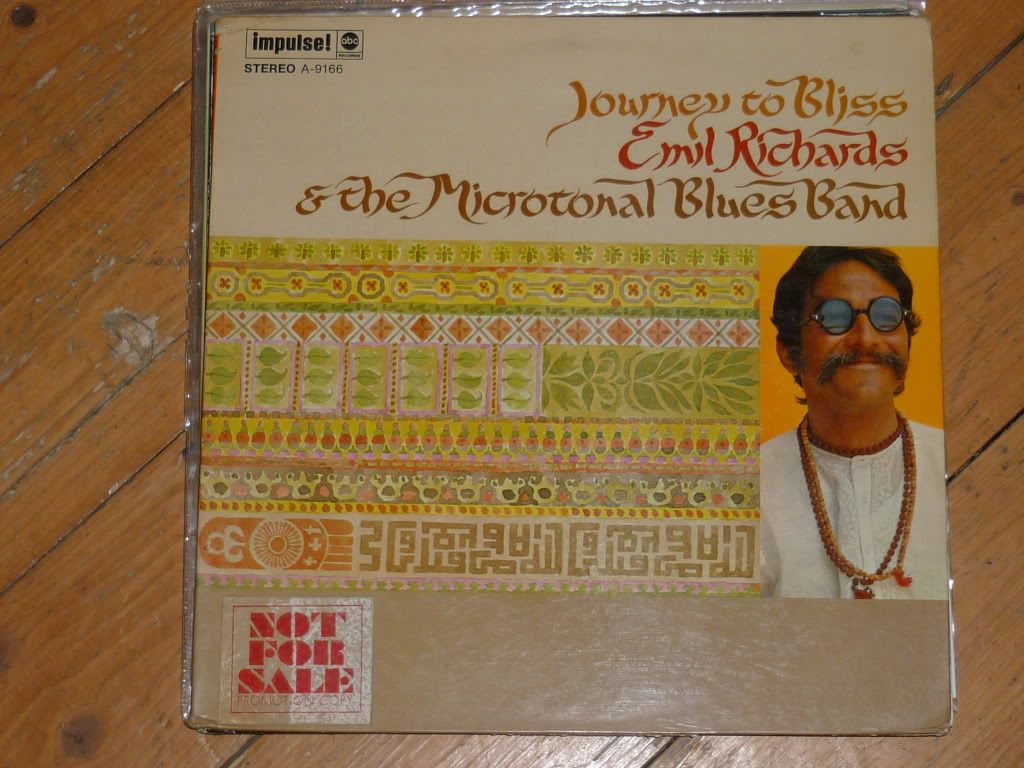
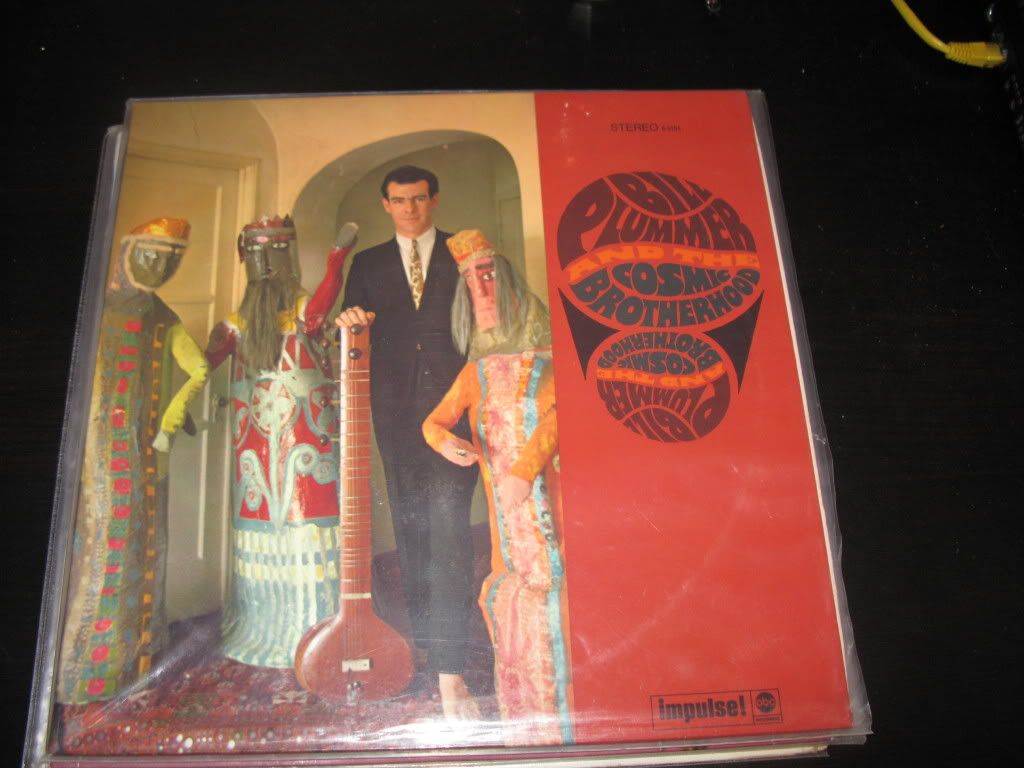
However, where there is money to be made, there will be exploitation records. I have already written about the brief Indo Jazz moment in UK jazz (read about it here) as well as Bill Plummer and Emil Richard's jazz sitar experiments read about it here and here. Despite being musically intriguing and genre expanding, sitar jazz records were always going to be a minority interest. How much more lucrative it would be to use this strange sound and, just as the leading groups of the day were doing themselves, use it on pop music.
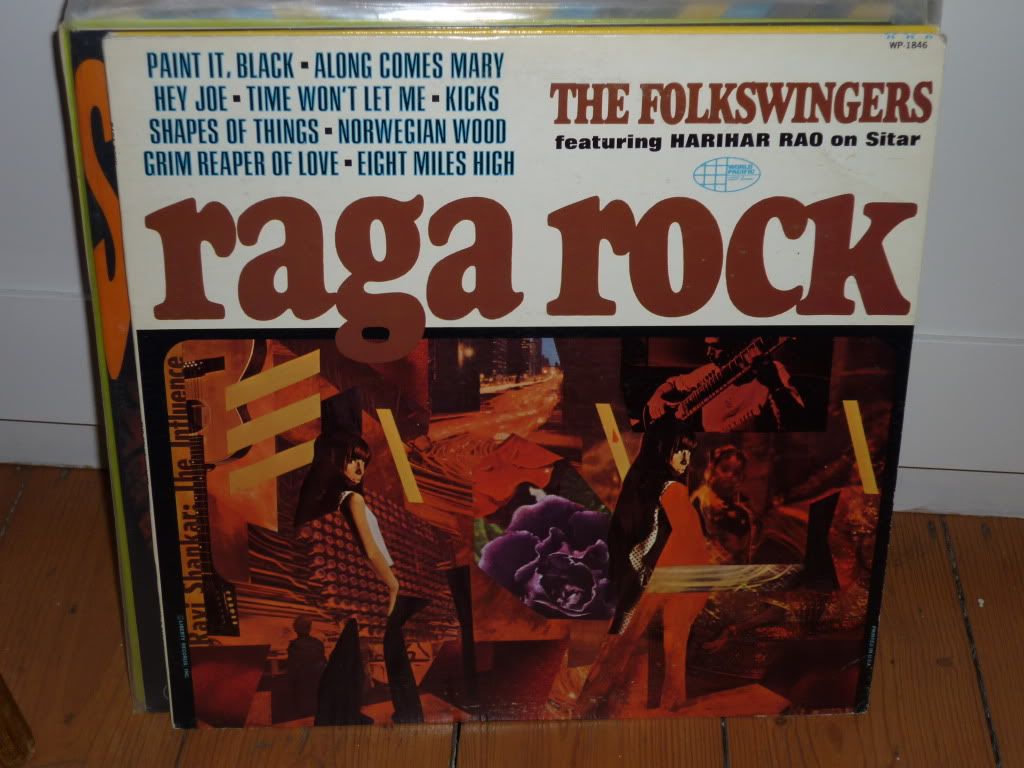 Released in 1966, Raga Rock in many ways epitomises the Sitarsploitation LP phenomenon. Using LA's crack session musicians, the Wrecking Crew, this record features Tommy Tedesco, Howard Roberts and Herb Ellis on guitars, Dennis Budimir on 12 String, Bill Pittman on bass, Larry Knechtel on organ and electric piano, Lyle Ritz on fender bass and Hal Blaine on drums. A killer band if ever there was one. Prior to this there had been another Folkswingers record, which although not including any of the same musicians, did include other LA session people. The first records more accurately lived up to the name being covers of folk hits of the day. This time round they added Indian sitar player Harihar Rao. Rao, an ethnomusicologist at UCLA and an associate of Ravi Shankar would, in 1967, publish the influential Introduction to Sitar.
Here he is mainly used to play around the American musicians giving the hits of the day an exotic feel, Having said that, it is a very enjoyable record. Songs such as Hey Joe, which has a very enjoyable exchange between Rao and one of the guitarists certainly benefit from a sitar treatment.
The choice of material is also important. Paint it Black, Eight Miles High, Norwegian Wood, Shapes of Things were all songs that in their original forms used Indian influences.
The first and possibly the best of the genre.
The concluding track is an original penned by George Tipton. Tipton was the arranger on this record and, according to the sleeve notes, was qualified to arrange a sitar record because he had worked with Jan and Dean and the Mariachi Brass! However, with its fuzz guitar, insistent sitar lines and tight rhythm section it is a triumph and leaves me wishing that they had given him the chance to write a whole album.
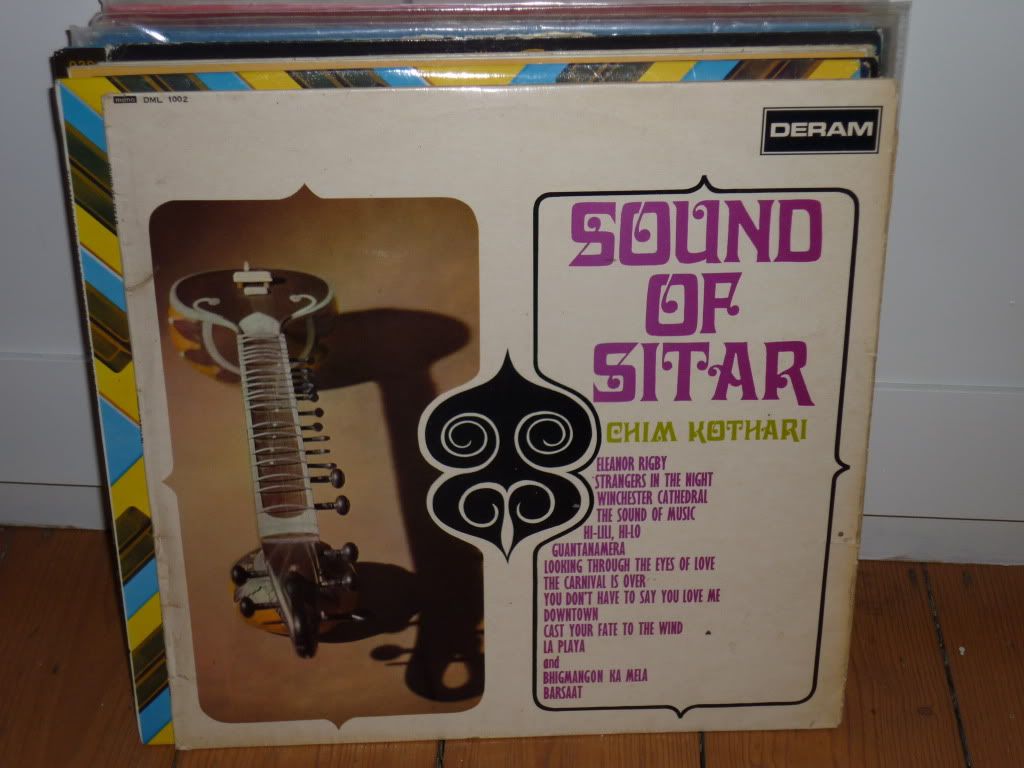 Meanwhile on the other side of the Atlantic at Decca, the label that had originally turned down the Beatles, decided to get aboard the sitarsploitation bandwagon with this effort.
I have not been able to track down any info about Mr Kothari other than what is offered in the sleeve notes. Kothari was a Ugandan Indian who at the time of recording the record had been in the UK for seven years. Amazingly during that time he has spent all of his leisure time playing the sitar.
Unfortunately instead of going down the rock route of the Folkswingers, Kothari draws on pop hits of the day. We therefore get Strangers in the Night, Winchester Cathedral, Downtown, Guantanamera, the Sound of Music and Cast Your Fate the Wind.
Of greater interest is his version of Eleanor Rigby which is the best thing on the record. His own compositions, traditional in sound rather than pop or rock orientated, are also worth listening to.
All in all I'd recommend passing on this one unless you find it in a charity shop for a few pence.
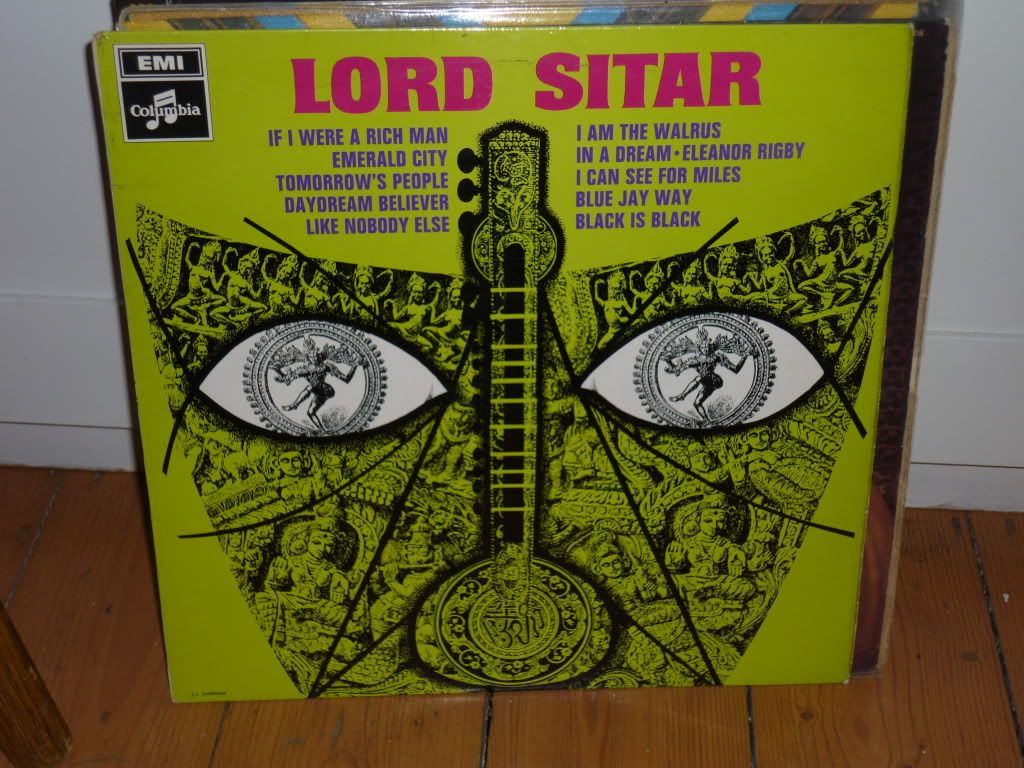
Who was Lord Sitar? Was he a moonlighting George Harrison as some believed at the time? No he was instead Big Jim Sullivan one of London's premier session musicians (Big Jim Sullivan as opposed to Little Jimmy Page), whose work appears on any number of UK records in the 60s and 70s including, apparently, over 50 UK number ones.
On the face of it, Lord Sitar looks as though he is going to give us more of the same medicine as Chim Kothari. Look at some of the tracks, If I Were A Rich Man, Emerald City, Black is Black. But wait! We also get Daydream Believer, I am The Walrus, Eleanor Rigby, I Can See For Miles and Harrison's Blue Jay Way. Can the good Lord pull it off?
Well its touch and go. If I Were a Rich Man struggles to overcome the material and in some places succeeds. However, its not until we get to the Monkees Daydream Believer that things start to look positive and that is more to do with the strength of the song rather than the chamber orchestra arrangements. Over on the b-side I Am The Walrus, already a very trippy track, gets the full sitar treatment and comes out all the better for it. Eleanor Rigby trundles along nicely. However, all the stops are pulled out for I Can See For Miles which I'm sure would have made Pete Townsend proud - or cry - or both. I'm also very partial to the version of Blue Jay Way with the wordless vocals at the start really giving me a thrill.
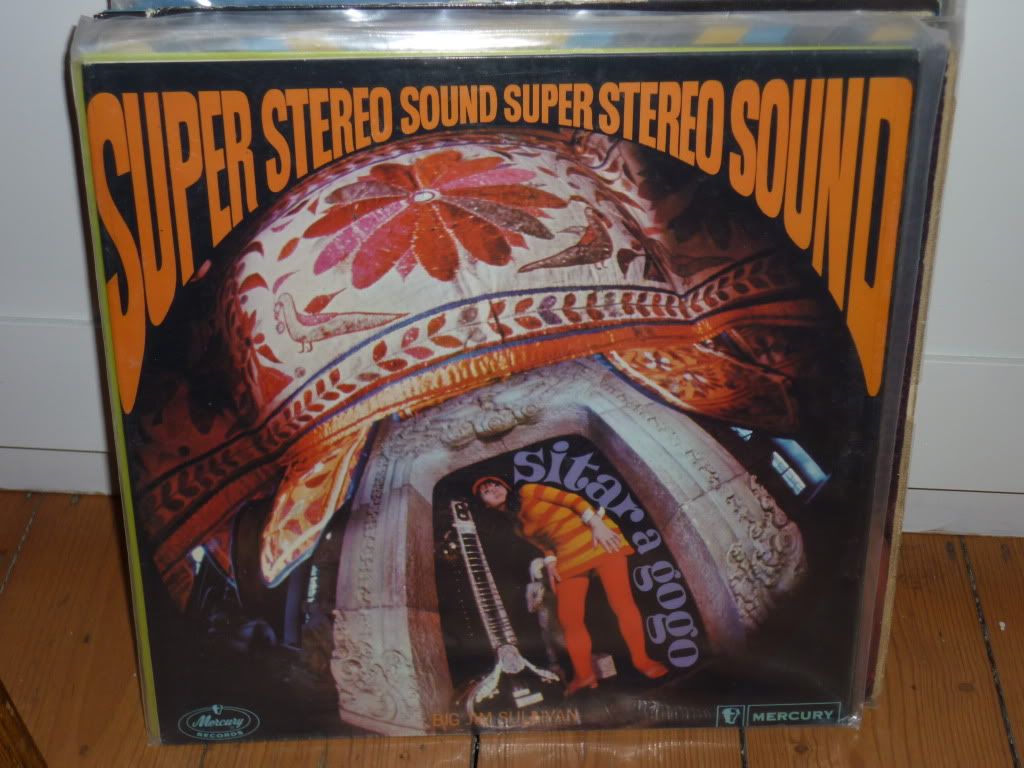
In the same Big Jim comes around for another crack at sitarsploitation, or as they call it Sitar A Go Go. My copy is part of the Super Stereo Sounds series that also reissued records by Pete Rugolo, Quincy Jones and others. The first press has a green cover with Big Jim twanging away and ethereal figures floating above him.
Perhaps because he arranged the record himself or maybe he was just getting better at it, but Sitar Beat is a far superior record to Lord Sitar.
Kicking off with a great take on the Beatles' (you almost can't have a sitarsploitation record without a Beatles cover!) She's Leaving Home, Sullivan gets stuck into Sunshine Superman which I love. Perhaps this version of Whiter Shade of Pale is a bit limp but then again the song nothing more than a puddle of slush anyway. However, it is on Sullivan's originals that this record really takes off. Ltts and The Koan are intriguing and effective tracks that show off his playing to the best. The Koan has some great tabla, flute and guitar as well - its a really interesting track.
On the second side Graham Gouldman's Tallyman lends itself well to Sullivan's sitar work. Another highlight of the album is the Sullivan penned Translove Airways (Fat Angel). Over a funky drum beat, fuzz guitar and maddeningly repetitive flue riff and a string section, Sullivan's sitar swirls around, creating a floating, flying, falling feeling. Far out man!
In the top league of sitarsploitation records and one that is well worth picking up.
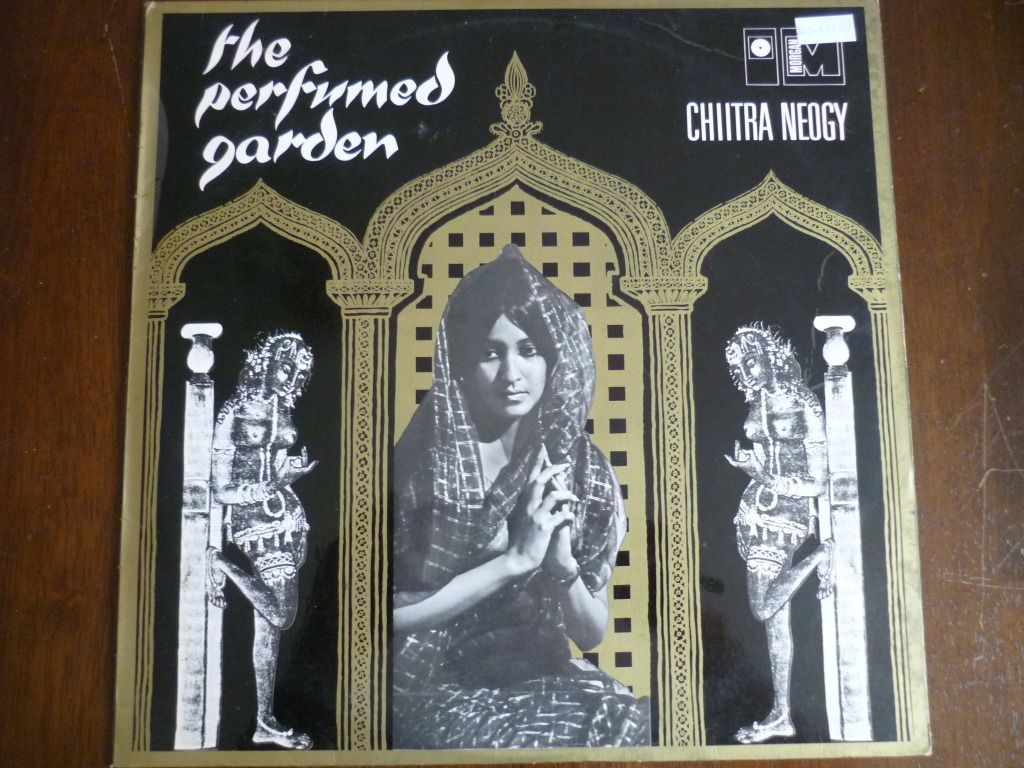
Chiitra Neogy's The Perfumed Garden isn't really a sitarsploitation record but it does have Jim Sullivan playing on it. Sexual liberation was a key tenant of the hippy ideal. The sexually explicit writing, sculpture and painting in India seemed, to Western flower-children to be more in tune with their views of sexual freedom than the button-downed European views on sex and love.
Thus a record such as this could be produced. The Perfumed Garden "contains writings which are designed to help human beings to achieve the fullest joy in their sexual lives." By today's standards they are not terribly sexual, but perhaps that's not the point.
Sullivan provided an underscore throughout the record and particular highlights are The Encouragement of the Lusty Wife, Leila the Flatterer and Krishna and the Cowgirls.My copy cost less than $5 on ebay and I wouldn't recommend you pay any more than that.
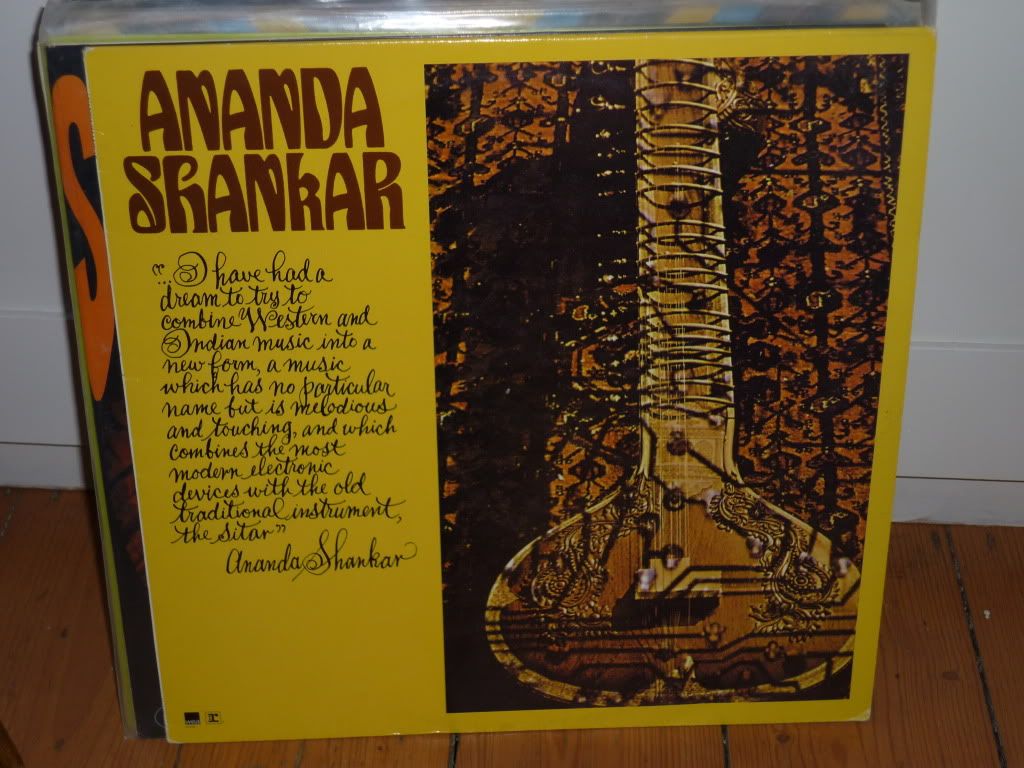 Ananda Shankar was the nephew of Ravi Shankar and he would go on the make a number of amazing records that fused jazz, Indian classical music and his own far-reaching vision.
However, his first record, made in the US in 1970, is often regarded as sitarsploitation because of its covers of the Stone's Jumpin' Jack Flash and The Doors' Light My Fire. Jumpin Jack Flash in particular is an amazing dancefloor killer. Throughout the record Paul Lewinson's Moog adds another layer of incredibly sounds and fascinating textures. Listen to the washes of sound he adds to Light My Fire.
However, don't be fooled into thinking that this record is just about pop cover versions. Its so much more than the Folkswingers or Big Jim Sullivan. Shankar's own compositions are quite beautiful and are worth the price of the record alone. Tellingly he shares writing credits with Moog-player Lewison.
My favourite original compositions are Snow Flower, Metamorphosis and the epic Sagar (The Ocean). All three seem to me to combine the 'exotic' sounds of the sitar with some of the hippy peace and love vibe the instrument was meant to symbolise. Through using new music and with the addition of the moog, Shankar creates truly different music that is as spaced out as you want it to be.
It's really great stuff.
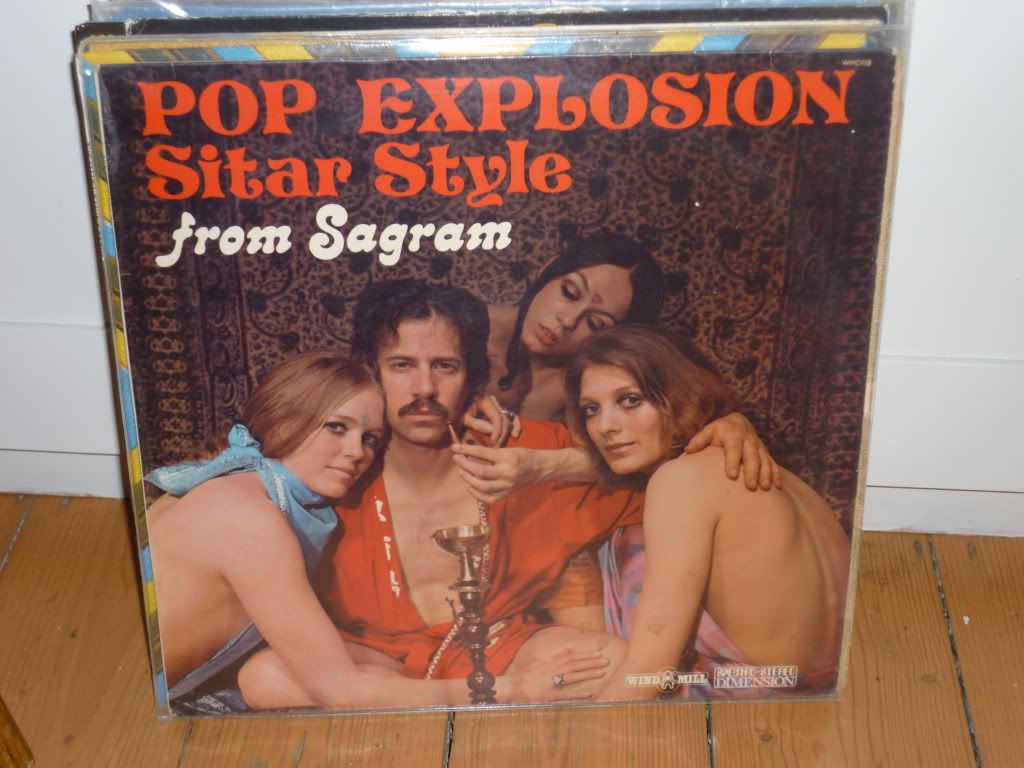 On first glance this would seem to be an exploitation record of the first order. I mean, why else would you call a record Pop Explosion Sitar Style and then NOT include any pop music. Why else would you have such an obvious 'eastern' sleeve that is an insult to women and Indians? Why else would the sleeve notes say that the music comes with "the heavy rhythms of the Rock Era"?
Strange as it may seem, however, the music on this record is not about exploitation but about authenticity. Read the story here. Suffice to say that the musicians behind this music, Clem Alford on sitar, Kashav Sathe on tabla and Jim Moyes on guitar did not expect their music to be packaged in this way.
Don't expect any cheap, ironic thrills from this record. Instead expect a serious attempt to fuse Indian classical music with western musical idioms.
Truly far out stuff.
Still to be included - Balsara and His Singing Strings, Rajput and the Seapoy Mutiny.
More info and soundclips to sitar records, including and amazing number of Bollywood soundtracks can be found here
Allegedly first introduced to the sitar by Roger McGuinn and David Crosby of the Byrds in California in 1965, Harrison, the instrument first appeared on a Beatles track on Norwegian Wood.
The Beatles were not the only band interested in the exotic sounds of the sitar, in particular its drone effect. The Kinks, the Who and most importantly the Yardbirds can claim to have been ahead of the Beatles in utilising the Indian instrument on some of their tracks.
However, they did not go as far as Harrison and record a track that was closer to Hindustani music than to European pop music. Using musicians from the North London Asian Music Circle, Love You To, on Revolver started a minor pop music trend. Followed up by Within Without You on Sgt. Peppers Lonely Hearts Club band, the use of the sitar in pop and rock quickly became a shorthand for exoticism, spirituality and transcendence. In other words its was another way of saying that the music was like a trip!
Unfortunately, as Harrison discovered, the sitar is a difficult instrument to master and its use does not always complement the structure of pop music. Masters of the instrument such as Ravi Shankar and Ali Akbar Khan found themselves becoming increasingly popular in the US and Europe and audiences strove to become part of this authentic and new (to their ears) music.
However, where there is money to be made, there will be exploitation records. I have already written about the brief Indo Jazz moment in UK jazz (read about it here) as well as Bill Plummer and Emil Richard's jazz sitar experiments read about it here and here. Despite being musically intriguing and genre expanding, sitar jazz records were always going to be a minority interest. How much more lucrative it would be to use this strange sound and, just as the leading groups of the day were doing themselves, use it on pop music.
Here he is mainly used to play around the American musicians giving the hits of the day an exotic feel, Having said that, it is a very enjoyable record. Songs such as Hey Joe, which has a very enjoyable exchange between Rao and one of the guitarists certainly benefit from a sitar treatment.
The choice of material is also important. Paint it Black, Eight Miles High, Norwegian Wood, Shapes of Things were all songs that in their original forms used Indian influences.
The first and possibly the best of the genre.
The concluding track is an original penned by George Tipton. Tipton was the arranger on this record and, according to the sleeve notes, was qualified to arrange a sitar record because he had worked with Jan and Dean and the Mariachi Brass! However, with its fuzz guitar, insistent sitar lines and tight rhythm section it is a triumph and leaves me wishing that they had given him the chance to write a whole album.
I have not been able to track down any info about Mr Kothari other than what is offered in the sleeve notes. Kothari was a Ugandan Indian who at the time of recording the record had been in the UK for seven years. Amazingly during that time he has spent all of his leisure time playing the sitar.
Unfortunately instead of going down the rock route of the Folkswingers, Kothari draws on pop hits of the day. We therefore get Strangers in the Night, Winchester Cathedral, Downtown, Guantanamera, the Sound of Music and Cast Your Fate the Wind.
Of greater interest is his version of Eleanor Rigby which is the best thing on the record. His own compositions, traditional in sound rather than pop or rock orientated, are also worth listening to.
All in all I'd recommend passing on this one unless you find it in a charity shop for a few pence.
Who was Lord Sitar? Was he a moonlighting George Harrison as some believed at the time? No he was instead Big Jim Sullivan one of London's premier session musicians (Big Jim Sullivan as opposed to Little Jimmy Page), whose work appears on any number of UK records in the 60s and 70s including, apparently, over 50 UK number ones.
On the face of it, Lord Sitar looks as though he is going to give us more of the same medicine as Chim Kothari. Look at some of the tracks, If I Were A Rich Man, Emerald City, Black is Black. But wait! We also get Daydream Believer, I am The Walrus, Eleanor Rigby, I Can See For Miles and Harrison's Blue Jay Way. Can the good Lord pull it off?
Well its touch and go. If I Were a Rich Man struggles to overcome the material and in some places succeeds. However, its not until we get to the Monkees Daydream Believer that things start to look positive and that is more to do with the strength of the song rather than the chamber orchestra arrangements. Over on the b-side I Am The Walrus, already a very trippy track, gets the full sitar treatment and comes out all the better for it. Eleanor Rigby trundles along nicely. However, all the stops are pulled out for I Can See For Miles which I'm sure would have made Pete Townsend proud - or cry - or both. I'm also very partial to the version of Blue Jay Way with the wordless vocals at the start really giving me a thrill.
In the same Big Jim comes around for another crack at sitarsploitation, or as they call it Sitar A Go Go. My copy is part of the Super Stereo Sounds series that also reissued records by Pete Rugolo, Quincy Jones and others. The first press has a green cover with Big Jim twanging away and ethereal figures floating above him.
Perhaps because he arranged the record himself or maybe he was just getting better at it, but Sitar Beat is a far superior record to Lord Sitar.
Kicking off with a great take on the Beatles' (you almost can't have a sitarsploitation record without a Beatles cover!) She's Leaving Home, Sullivan gets stuck into Sunshine Superman which I love. Perhaps this version of Whiter Shade of Pale is a bit limp but then again the song nothing more than a puddle of slush anyway. However, it is on Sullivan's originals that this record really takes off. Ltts and The Koan are intriguing and effective tracks that show off his playing to the best. The Koan has some great tabla, flute and guitar as well - its a really interesting track.
On the second side Graham Gouldman's Tallyman lends itself well to Sullivan's sitar work. Another highlight of the album is the Sullivan penned Translove Airways (Fat Angel). Over a funky drum beat, fuzz guitar and maddeningly repetitive flue riff and a string section, Sullivan's sitar swirls around, creating a floating, flying, falling feeling. Far out man!
In the top league of sitarsploitation records and one that is well worth picking up.
Chiitra Neogy's The Perfumed Garden isn't really a sitarsploitation record but it does have Jim Sullivan playing on it. Sexual liberation was a key tenant of the hippy ideal. The sexually explicit writing, sculpture and painting in India seemed, to Western flower-children to be more in tune with their views of sexual freedom than the button-downed European views on sex and love.
Thus a record such as this could be produced. The Perfumed Garden "contains writings which are designed to help human beings to achieve the fullest joy in their sexual lives." By today's standards they are not terribly sexual, but perhaps that's not the point.
Sullivan provided an underscore throughout the record and particular highlights are The Encouragement of the Lusty Wife, Leila the Flatterer and Krishna and the Cowgirls.My copy cost less than $5 on ebay and I wouldn't recommend you pay any more than that.
However, his first record, made in the US in 1970, is often regarded as sitarsploitation because of its covers of the Stone's Jumpin' Jack Flash and The Doors' Light My Fire. Jumpin Jack Flash in particular is an amazing dancefloor killer. Throughout the record Paul Lewinson's Moog adds another layer of incredibly sounds and fascinating textures. Listen to the washes of sound he adds to Light My Fire.
However, don't be fooled into thinking that this record is just about pop cover versions. Its so much more than the Folkswingers or Big Jim Sullivan. Shankar's own compositions are quite beautiful and are worth the price of the record alone. Tellingly he shares writing credits with Moog-player Lewison.
My favourite original compositions are Snow Flower, Metamorphosis and the epic Sagar (The Ocean). All three seem to me to combine the 'exotic' sounds of the sitar with some of the hippy peace and love vibe the instrument was meant to symbolise. Through using new music and with the addition of the moog, Shankar creates truly different music that is as spaced out as you want it to be.
It's really great stuff.
Strange as it may seem, however, the music on this record is not about exploitation but about authenticity. Read the story here. Suffice to say that the musicians behind this music, Clem Alford on sitar, Kashav Sathe on tabla and Jim Moyes on guitar did not expect their music to be packaged in this way.
Don't expect any cheap, ironic thrills from this record. Instead expect a serious attempt to fuse Indian classical music with western musical idioms.
Truly far out stuff.
Still to be included - Balsara and His Singing Strings, Rajput and the Seapoy Mutiny.
More info and soundclips to sitar records, including and amazing number of Bollywood soundtracks can be found here