Writing about music is like dancing about architecture

Tuesday, 19 February 2013

THE WATTS TOWERS AND JAZZ RECORD SLEEVES


The Watts Towers in Los Angeles are fascinating examples of outsider art, public art, community art, and inventive engineering.
They have come to stand as symbols not just of the place in which they were build, the Watts area of Los Angeles, but also of racial politics in California as well as the United States.
I am fascinated by them, both as a unique work of art and as structures that have developed symbolic meaning that go well beyond anything their creator may have envisaged.
In his phantasmagorical autobiography, Beneath the Underdog, Charles Mingus, who grew up in Watts describes the Watts Towers thus: "At that time in Watts there was an Italian man, named Simon Rodia - though some people said his name was Sabatino Rodella, and his neighbours called him Sam. He had a regular job as a tile setter, but on weekends and at night time, under lights he strung up, he was building something strange and mysterious and he'd been working on it since before my boy was born. Nobody knew what it was or what is was for. Around his small frame house he made a low wall shaped like a ship and inside it he was constructing what looked like three masts, all different heights, shaped like upside down ice cream cones. First he would set up skeletons of metal and chicken wire, and plaster them over with concrete, then he'd cover that with fancy designs made of pieces of seashells and mirrors and things. He was always changing his ideas while he worked and tearing down what he wasn't satisfied with and starting over again, so pinnacles tall as a two storey building would rise up and disappear and rise again. What was there yesterday mightn't be there next time you looked, but another lacy-looking tower would spring up in its place.
Tig Johnson and Cecil J. McNeeley used to gather sacks full of pretty rocks and broken bottles to take to Mr Rodia, and my boy hung around with them watching him work while he waited for Gloria Stopes, one of his classmates who happened to live across the street....
Mr Rodia was usually cheerful and friendly while he worked, and sometimes, drinking that good red wine from a bottle, he rattled off about Amerigo Vespucci, Julius Caesar, Buffalo Bill and all kinds of things he read about in the old encyclopedia he had in his house, but most of the time it sounded to Charles like he was speaking a foreign language. My boy marvelled at what he was doing and felt sorry for him when the local rowdies came around and taunted him and threw rocks and called him crazy, though Mr Rodia didn't seem to pay them much mind. Years later when Charles was grown and went back to Watts he saw three fantastic spires standing there - the tallest was over a hundred feet high. By then Rodia had finally finished his work and given it all to a neighbour as a present and gone away, no one knew where."
Buddy Collette,. who grew up with Mingus in Watts, described Rodia and his creation in this way: "Simon Rodia was a little Italian guy with an old, dirty hat; a very quiet man, who didn't seem to have any friends and lived alone. Most of the neighbours ignored him and he didn't talk much. I don't know if he spoke English. Although he was a full-grown man, it seemed he weighed only about 100 pounds. He carried an old burlap sack on his back that he'd fill with little rocks, bottle caps, broken bottles, shells and all that material he was gathering to build his towers. Mingus and I would take these gum machines and put them on the railroad tracks. When the Watts Red Cars would come by, they would break the cast iron bottoms, which held all the pennies, maybe five dollars worth, which was a big haul. There would be a lot of litter like that among the tracks and Rodia would pick it up and make the most of it. Simon knew what he was doing with it, but we had no clue. Most people thought, 'That crazy guy, what's he building?' We had never seen anything like that before and he just kept adding to the structures. It wasn't until later that we could see that the guy was very artistic and knew what he was doing."
Rodia built the structures, as outlined in the above descriptions, by hand from found materials. He did not use a scaffold, a blowtorch or power tools. Instead he used a system of pulleys to winch himself and thousands of tonnes of cement and materials up and down the towers. In 1954, having worked on the towers since 1921, he stopped work, and as outlined by Mingus, gave his land and towers to a neighbour and disappeared. He never explained his work or attempted to justify or recreate it.
As Mingus and Collette's descriptions show, while he was building the towers, his neighbours gave him little encouragement and failed to empathise with his work. Watts during the 1930s and 1940s was a racially mixed area but Rodia seems not to have made any effort to mix with those around him. Instead he worked alone and without any need to consult local opinion.

However, four years after he disappeared Harold Land released Harold In the Land of Jazz (my copy is a later issue retitled Grooveyard).
This was Land's first record as a leader, and although not born in California he was by this time a stalwart of the West Coast jazz scene.
West Coast album sleeves of the period were, in my view, beautifully designed and photographed, in particular those for Pacific Jazz by William Claxton.
However, if they did include references to LA or California these tended to be of the beach or the sea, sometimes of the desert as in Sonny Rollins Way Out West sleeve or other rural locations such as that for Art Pepper Meets the Rhythm Section.
In just four years the Watts Towers had gone from weird aberration to structures that conveyed a message. What was that message?
In 1958 the Towers were under threat of demolition by the city authorities who claimed that they were unsafe and dangerous to local inhabitants. Instead a local, grassroots group bought the Towers with the intention of preserving them. The city authorities, already engaged in a programme of closing public arts programmes, attempting to control sites of cultural activities and suspicious of contemporary art, through attempting to close down what was a local symbol only succeed in creating a local movement.
Could Land's album cover be a comment on the repressive efforts of local government as they attempted to control the LA arts scene, is it a comment on pride in a racial mixed area, or in unity of a local movement, or could it simply be a statement about pride in a predominantly black area of the city in which he lived? I like to think that there is a similarity between his sax and the structures behind him.

 It wouldn't be until 1968 that the Watts Towers would appear on the cover of a jazz record.
Big Black's Message to our Ancestors is, as you might expect, a showcase for his impressive percussion skills. With only a flautist and some vocal encouragement accompanying him, this record is largely a percussive tour de force. Black, who played with Olatunji, Freddie Hubbard and Randy Weston amongst others, was well versed in African music (he also played with Hugh Masakela).
As you can see from his leopard print shirt and hat, he was at this point in his career fully "an exponent of African music" as the sleeve notes state.
What, then is he doing in front of a structure made by an Italian in Los Angeles?
In 1965 Watts was the centre of one of the largest civil uprisings in US history, requiring the National Guard to suppress it. A frustrated response to high unemployment, a dire educational system, a lack of social services, a history of police violence and a dearth of public transportation, the riot left 34 people dead, 1,032 injured and about 4,000 arrested.
The riots immediately changed how the Towers would be seen as they changed how Watts was perceived. Watts become associated with violent crime, urban blight and black revolution.
Big Black's Afrocentric stance, in his music and clothes, therefore chimes with his positioning in front of the Watts Towers. He is saying not only that he has pride in his African ancestry, a pride that was becoming more widespread and strident amongst black Americans but also that this pride in his ancestry was linked to contemporary events and actions in the United States. The Towers post-Watts Riots now served as a symbol of embattled racial politics as well as racial pride.

 Willie Bobo's 1971 record, Do What You Want to Do isn't really a jazz record,. But I'm including it not just because of his jazz credentials but also because I think it shows another shift in the symbolism of the Towers.
Bobo's group, the terribly named Bo-Gents, included black, white and latino musicians. While this may not have been anything special in 1971, the fact that they chose to be photographed in front of the Watts Towers is significant.
The Towers have changed from symbolising a type of black militant ism to symbolising great equality. Given that the 1970s saw the hardening of conservative opinion towards inner city areas which led to a lack of empathy and reduced financial support, Bobo's statement of racial unity specifically located at a site that was known as place of racial tension was a brave move. However, I think it has a wider significance beyond the Watts area. The Towers are a symbol of urban LA, perhaps one of the few that is instantly recognisable to people outside of California. Was Bobo making a point about the wider situation in the city, one where racial tensions and property development were mixing to undermine what little unity there was in the city's population as so brilliantly exposed in  Mike Davis's City of Quartz?

Don Cherry's Brown Rice is an incredible record and deserves a review of its own (which I will probably give it as some stage).
Cherry, of course, had come to prominence in LA as part of Ornette Coleman's group and had been instrumental in developing what would become termed free jazz.
For Brown Rice, Cherry drew on Arabic, African and Indian music to create a truly unique sound.
Yet, on the cover of the LP he is posing with the Watts Towers in the background. Interestingly for the CD reissue the photo is cropped to cut out the Watts Towers.
The racial unity expressed by Willie Bobo on his sleeve is now extended beyond the city of LA to the whole world. The Towers have come to symbolise not only the potential of Watts but of the whole world, perhaps as people are brought together through music.

From the localised message of Harold Land's record through to those of Cherry's we have seen how the Tower's meanings have changed and been adopted by jazz musicians who are seeking to use them to express their own messages. Situated in a neighbourhood that has seen enormous racial tension, famously exploding into violence, the Tower's have come to symbolise not just local pride but also racial (and musical)
openness.

That sense of the music uniting different people has been adopted since 1977 by the Watts Jazz Festival.

Not a great record (although Willie Bobo's contributions are suitably cooking) but it is an incredible photo of the Towers.

The jazz festival continues to this day.

Wednesday, 28 November 2012

THE PAUL BLEY QUARTET - SOLEMN MEDITATION


Excuse this slightly rambling post. I;m trying to work out some ideas on the fly so I hope some, at least, makes sense!


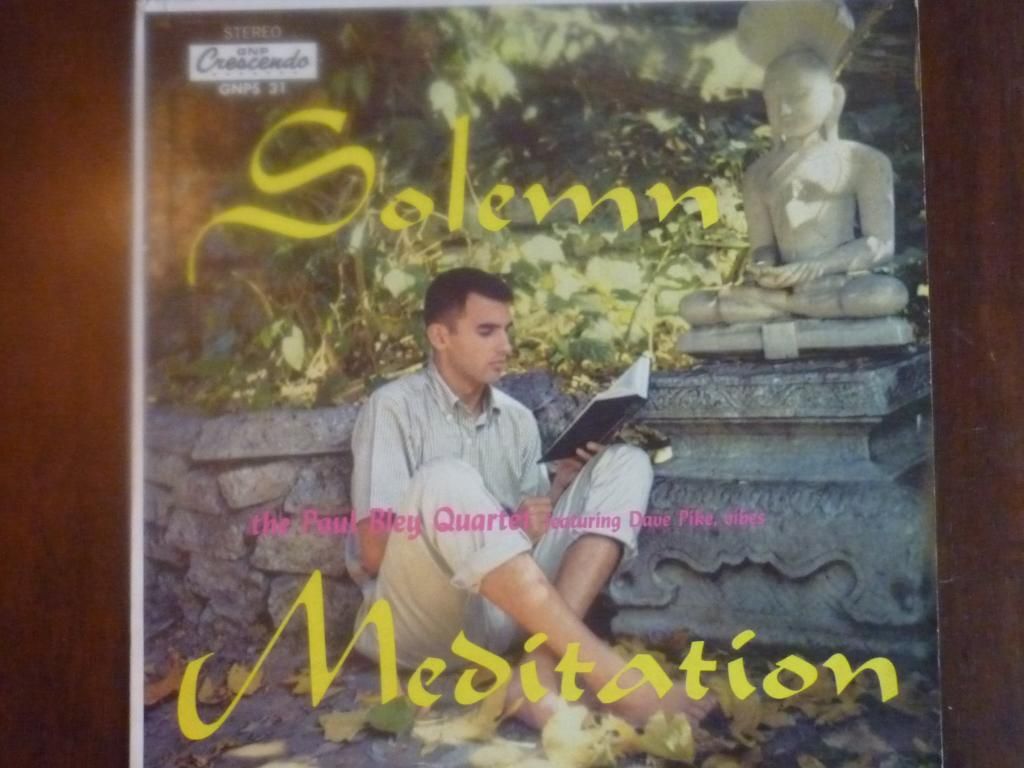
Don't expect Paul Bley's Solemn Mediation to be as exotic as the cover might make out. There is Paul, looking very serious and preppy with his buzz cut and button-down shirt but still without shoes, reading a book at the foot of the Buddha. What is he reading? Is it a religious text, is he seeking enlightenment, is he in some way meditating? Meditation, Buddha, a quest for knowledge, possibly a jungle behind him, all of these things point to the record being concerned with Eastern spirituality. Is this record going to be in any way exotic I hear you ask.

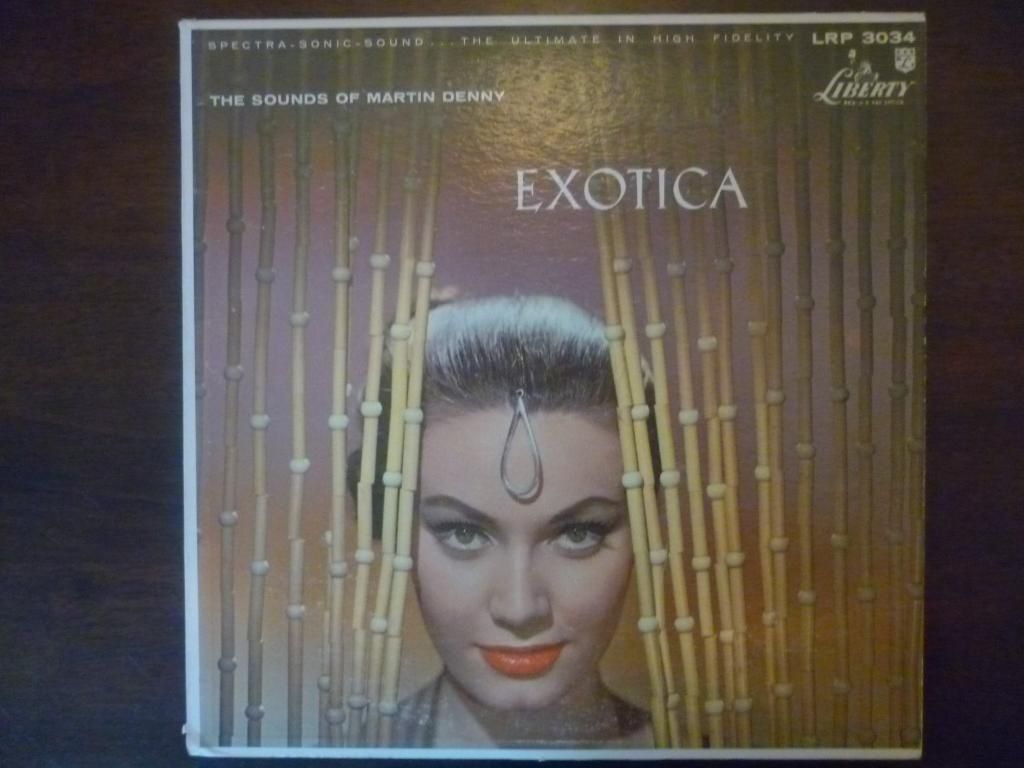
Solemn Meditation was released in 1958, the same year as another pianist called Martin Denny released Exotica. The covers of both records evoke and unnamed 'other' place with east Asian overtones. The titles of the Bley compositions, are Drum Two and Beau Diddley with Dave Pike contributing Persian Village. Compare these to Quiet Village, Love Dance, Ami Wa Furi and Waipio on Exotica. However, the two record could not be more different despite these superficial similarities.


Denny's group and Bley's were quartets, both also including vibes, Arthur Lyman in Denny's group and Dave Pike in Bley's and neither group featured brass players.
Why am I comparing these two records you might ask? I want to draw some parallels with non-American influences in jazz and in 'pop' or in Denny's case exotica.
Of course the most obvious difference between the two records is that the music on Bley's record is much more clearly in the jazz idiom. He covers songs written by Dizzy Gillespie and Roy Eldridge as well as Porgy from Gershwin's jazz influenced musical. Meanwhile Denny relies heavily on Les Baxter who, although recording a number of records with the word jazz in the title (Jungle Jazz, African Jazz), writing for prominent swing bands in the 1940s and experimenting with rhythms and instruments from Latin America and elsewhere, is not considered to be a jazz musician.
While i grant you there is considerably less swing in Denny's record it is clearly as concerned with the nature of sounds and rhythm as Bley's. Indeed at times I can hear Dave Brubeck's experiments underneath the bird calls and percussion flourishes.
What is also missing on the Denny record are the clear references throughout Solemn Meditation to other jazz musicians and trends, most notably bop and pianists such as Bud Powell and fellow Canadian Oscar Peterson.
Strangely what I don't hear on Solemn Meditation is much experimentation. Given that Bley was, at the time of recording this record, playing with Ornette Coleman and Don Cherry and that his bassist Charlie Hadden would go on to join the Colemen group, Solemn Meditation is solidly in the bop tradition.
Now, I'm not suggesting that Exotica is more experimental than Solemn Meditation but perhaps it pointed the way for a new direction in a way that Solemn Meditation did not. Remember that both Coltrane and Yusef Lateef listened to and liked exotica records before they discovered field recordings. What they were listening for were new instruments, unusual sounds and original approaches to composition.

To be continued.........


PETER BURMAN'S JAZZ TETE A TETE


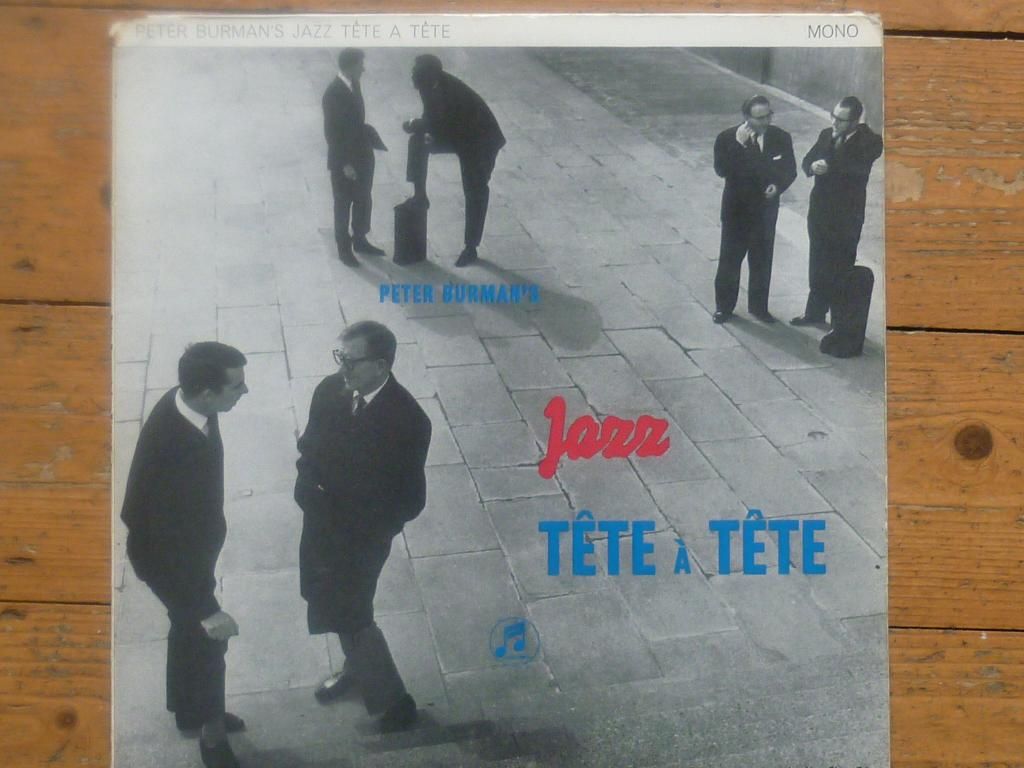
This record is a Britjazz obscurity. Recorded in 1962 it reveals British jazz trying to find a distinctive British (as opposed to American) voice. The role and influence of America on the jazz music of the rest of the world is a hotly debated issue. Here we get a glimpse of some of the leading jazz musicians in Britain in the early sixties attempting to pull away from the enormous influence of American jazz and create a new indigenous kind of jazz music. 

Peter Burman ran a nightclub in 1960s London called the El Toro and was also involved in the National Jazz Federation. Many well known British jazz musicians played the El Toro and Burman used it as a place to identify and promote (in all meanings of the word) musicians who he felt had promise. Thus he brought to the attention of the BBC some of the leading jazz bands of the period. Bands he recommended would be auditioned by the BBC and, if they passed, were given the opportunity to appear on the radio.
This led to Burman organising concerts, which he called Jazz Tete a Tete's, in the Recital Room at the Royal Festival Hall. These concerts were broadcast on the BBC's Jazz Club.
Although none of the broadcasts survive Burman, with the help of the ubiquitous Denis Preston, managed to get some of the musicians to record in Preston's Lansdowne Studios. This record is the result of these sessions.

If I'm honest what first drew me to this LP was the presence of Shake Keane. Keane had already recorded some of the most adventurous avant garde jazz ever committed to vinyl with Joe Harriott. The Joe Harriott Quintet released the seminal Free Form in 1960 and Abstract in 1962. When Keane recorded the tracks on this record in January 1962 the Harriott Quintet were half way through recording Abstract.
Of course, Harriott's free form experiments were utterly original and owed little to America. However, they were also not taken up by the British jazz scene. Indeed many British jazz musicians were openly scornful and mocking of the Quintet's music.
There is none of this experimentation in Keane's playing here. Instead he supports the Pat Smythe Trio. Smythe was also a member of the Harriott Quintet. In his way he was as important to the Harriott sound as was Keane. According to Coleridge Goode it was Smythe's harmonic subtlety and range of musical knowledge that made free form music a real possibility.
Keane and Smythe both had knowledge of classical music and, perhaps not surprisingly for music that originated in one of London's most prestigious concert venues, the music they produce here is very much influenced by the mix of jazz and classical music that came to be known as the 'third stream'. I think given Keane's other appearances on experimental third stream recordings, most notably David Mack's New Directions, this is hardly surprising.
However, of all the recordings on this record the Smythe Trios are perhaps the most 'jazz'. Of the three tracks, two are from recognised jazz greats, Miles David and Max Roach, albeit in radically different forms, while the third is the standard, Ole Devil Moon.
For me these tracks are the highlight of the record. however, they are not at all the most ambitious.


Johnny Scott, in 1962, was the leader of a quintet and had been playing jazz for a number of years. He would later move into studio work for movie scores which in turn led him into cinema composing where he has scored music for movies such as The Shooting Party and Greystoke. He has also scored classical pieces, played in classical orchestras and even conducted.
His contribution to this record is a Suite in Three Movements. I can hear definite elements of cinematic music in each movement and although his music definitely has a foundation in jazz, it is obviously pulling in a completely different direction from Harriott's free form experiments.
Although the sleeve notes compare these pieces by Scott to the American third stream I would suggest that they rather represent a more British approach to the fusion of jazz and classical music. I find his flute playing and the percussion to be very evocative of Benjamin Britten.


Ray Premru's group consisted of some great British jazzmen. Kenny Clare, Bob Efford, Kenny Napper and Eddie Blair. Unfortunately their contribution is the least interesting on the record, perhaps because it is the least experimental.
Despite also leaning heavily on classical conventions it is rather stale music that never manages to lift itself above or beyond its conventions.

Finally, the record closes with some marvellous music from Alan Clare. Again owing rather a lot to classical music, in this case Debussy, Clare's music is truly sublime. I think its his playing, his tone and phrasing, that really give his contributions such depth and beauty. It is a shame he did not record more!
He is ably assisted by Lennie Bush on drums, Dave Goldberg on guitar and Bob Burns on soprano sax. Their playing is very restrained putting Clare's playing at the forefront.
Of all the music on this record, Clare's is the most difficult to pigeon-hole. Is it jazz, or classical, or something else entirely? Its certainly very beautiful and unique.


Overall, this record is not a lost masterpiece. At best if provides a snapshot of a moment in the development of British jaz as it stuggled to find its identity. If you come across it, pick it up. Its an interesting listen.

Monday, 15 October 2012

DON BURROWS PLUS SIX - ON CAMERA

For reasons that I can't begin to explain, this record hasn't been far from turntable for the last few weeks.
In case you don't know him, Don Burrows is one of the key figures in Australian jazz. If you ever come across a record from Australia that contains jazz it will also probably have Burrows playing on it!
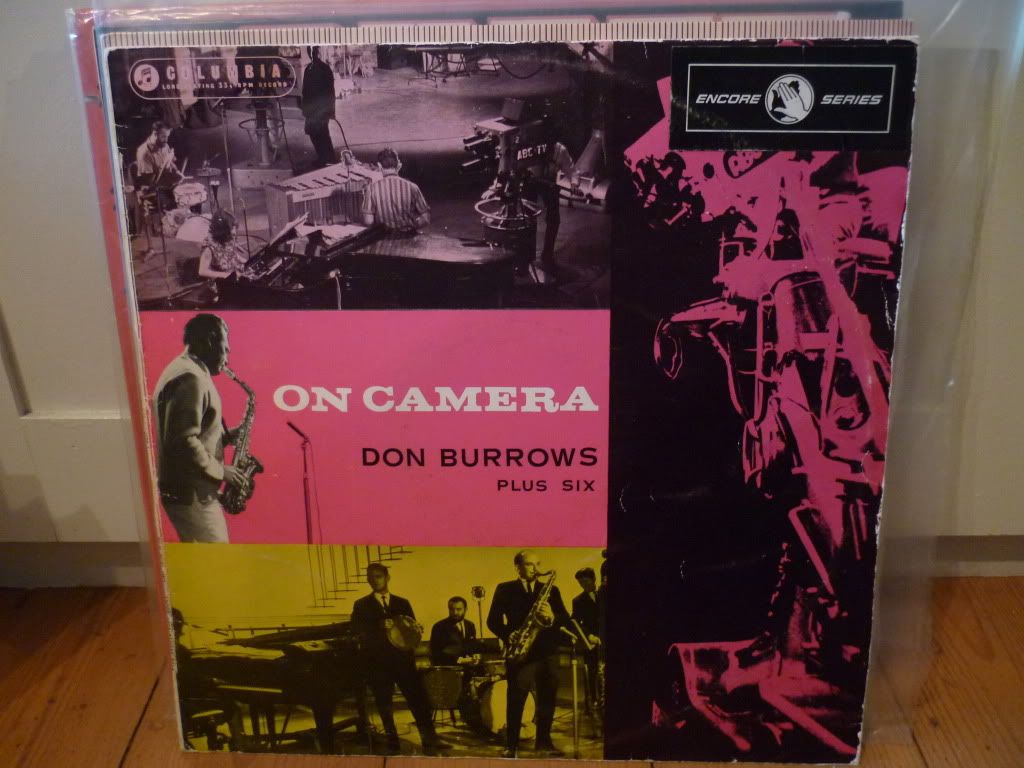
Released in 1963, On Camera collects together some of the music Burrows and his band recorded for TV shows such as The Bryan Davies Show and This Is Jazz.
Oh, for a time when you could see and hear jazz on television. I don't know about you but round these parts the only jazz that gets shows on any of the hundreds of channels I get are concerts of sixties jazz luminaries but only recorded at the sunset of their careers, usually for some reason in the early nineties. There is definitely nothing showing young, avante garde, or interesting modern jazz. Imagine a whole programmes devoted to it! But then again in 1962 the world hadn't yet been completely changed by the arrived of the Beatles! I'm sure they didn't mean to, but their success put an end to the era when jazz could be considered pop music, much less popular music.
Anyway, I digress!
With Burrows on this record is a veritable supergroup of Australian jazz musos. Accompanying Burrows on brass is Errol Buddle on tenor, as well as oboe, bassoon and clarinet (that's him on the front cover with a bald head and 'tache). Rounding out the brass section is Johnny Bamford on trombone. Judy Bailey is on piano, as well as celeste, glockenspiel, George Golla is on guitar, John Sangster is on drums and George Thompson on bass. Each one is a name to be reckoned with in Australian jazz. 
In the early sixties all of these musicians, and many other jazz musicians, were making the lions share of their livings playing for TV, movies, and adverts. Just as in the UK and America, there was a demand for musicians who could play jazz, but who could also read music and be relied upon to turn up to a recording session at the right time and not too drunk! It was in this atmosphere that musicians such as John Sangster learnt about arranging and writing. All of the musicians on this record had long experience in this world. It may not have been very glamorous and you may not have been able to play exactly what you wanted but it paid well and was fairly solid work.
I'm sure that is why Burrows chose these six for his band. After all they would be recording music for TV shows, often broadcast live and frequently with little time to rehearse before hand.
But these were no faceless session musicians. At the same time as they may have been knuckling down to session work, in the evenings, everyone on this record, and many more musicians were jamming in the El Rocco. A Sydney nightclub in the Kings Cross district, El Rocco became in the early 60s one of the places for jazz musicians to congregate and engage in sometimes fearsome jam sessions that might last all night. Everyone apparently could have a go, but few could take the pressure. All styles were welcome from Trad Jazz (of which there seems to be a lot in Oz) to more avante garde styles influenced by what was going on in New York.
Like all such crucibles of musical invention, the El Rocco was both welcoming and off putting at the same time. However, it provided a place for musicians to push at the boundaries of jazz in a way that paying gigs never would have done.
Can you hear any of that experimentation in On Camera?
I'm not sure. Don't forget the music here was intended to be sent by the Australian Broadcasting Company into the living rooms of Australians all over the country. It wouldn't do to have anything too 'way out'. You might be pleased to find jazz on the box but you wouldn't have been able to get anything experimental, much less dissonant!
However, there is something playful and irreverent about the whole record. Perhaps its the way they deconstruct the songs they cover. The Porgy and Bess Medley, Moon River, Nutcracker Suite, Begin the Beguine all start conventionally enough. You might think you were getting an easy listening version of each one. Then, almost without you realising it, the band have headed off in their own direction and left the familiar song somewhere far behind them. What's going on, you might say, I know its supposed to be Begin the Beguine, what's happening now? And just at the point that you might wonder if they are still playing the same track, like the professionals they are, they slide back in and you can sit back in your armchair, puff your pipe and drink your tea. Phew, I thought for a terrible moment that those jazzers were up to their old tricks, and were trying to pull a fast one on me!
However, by a long way the standout track for me is the Burrow's penned The Wailing Waltz. Everyone has a crack at trying to wrestle it away from the others. From George Golla's intro to Burrow's own flute solo, Sangster's pushing drumming in the background, Bailey's strident, off-kilter piano until to winds up a slightly sweaty but very pleased with itself heap at the end its an endless enjoyable piece of music.


Friday, 5 October 2012

DAVIE ALLAN - FUZZBUSTIN'

The surf scene in California started the careers of many musicians who would go on to be mainstays of rock, jazz and pop music. Lee Hazlewood, Jerry Cole, Emil Richards, Phil Spector, Jack Nietzsche, Glenn Campbell, Carol Kaye, Tommy Tedesco, Hal Blaine and many others came out of the surf music scene. One of the strangest collaborations was between aspiring producer and label owner, Mike Curb and a young adventurous guitar player called Davie Allan. Never really part of the mainstream, Davie Allan nonetheless produced some of the toughest wildest music ever to have come from surf - that is until Klaus Fluoride of the Dead Kennedys!
Allan is most famous for his work on a number of budget biker flicks. His unique fuzz guitar sound seemed to perfectly emulate the sound of an angry Harley and his wild, almost psych, approach to music seemed to encapsulate the growing counter culture in California. That he was a very straight guy with no personal experience of bikes or drugs doesn't seem to matter. As well as the biker films Allan also provided music to any number of drugs, teen, violent, mondo films
The story of Curb and Allan's work together is usually portrayed as one of typical record company exploitation. It's alleged that Curb took writing credit for many of the tracks that Allan played on, forced Allan to play on many of the releases on his Sidewalk and Tower labels and mismanaged Allan's solo career. It doesn't help that after Allan and Curb stopped working together, Curb went on put out ever poorer quality records usually by the eponymous Mike Curb Congregation, became an executive for a 'proper' record label, MGM, where, having got religion her persuaded them to drop any artists whose drug use he disapproved of and then finally he got into politics as a Republican.
However, although the relationship between Curb and Allan was not equal, I don't see it as being any more unequal than many other producer/artist relationships. Curb genuinely did write a lot of the material that Allan recorded and Allan has even said as much. As for the accusation that Allan was forced to work on too many sessions and record too many terrible song, Los Angeles was full of session musicians looking for work and who were prepared to play any gig as long as it paid. The list above shows how many brilliant musicians there were who also appear in some surprising and not always very good musical places.
Having said all that it is Allan's playing that stands out and long after Curb is forgotten it is Allan's signature fuzz guitar sound that will live on.
Follow me through the Davie Allan story on vinyl. As ever there are some omissions and I will aim to fill these in as soon as I come across the necessary records!


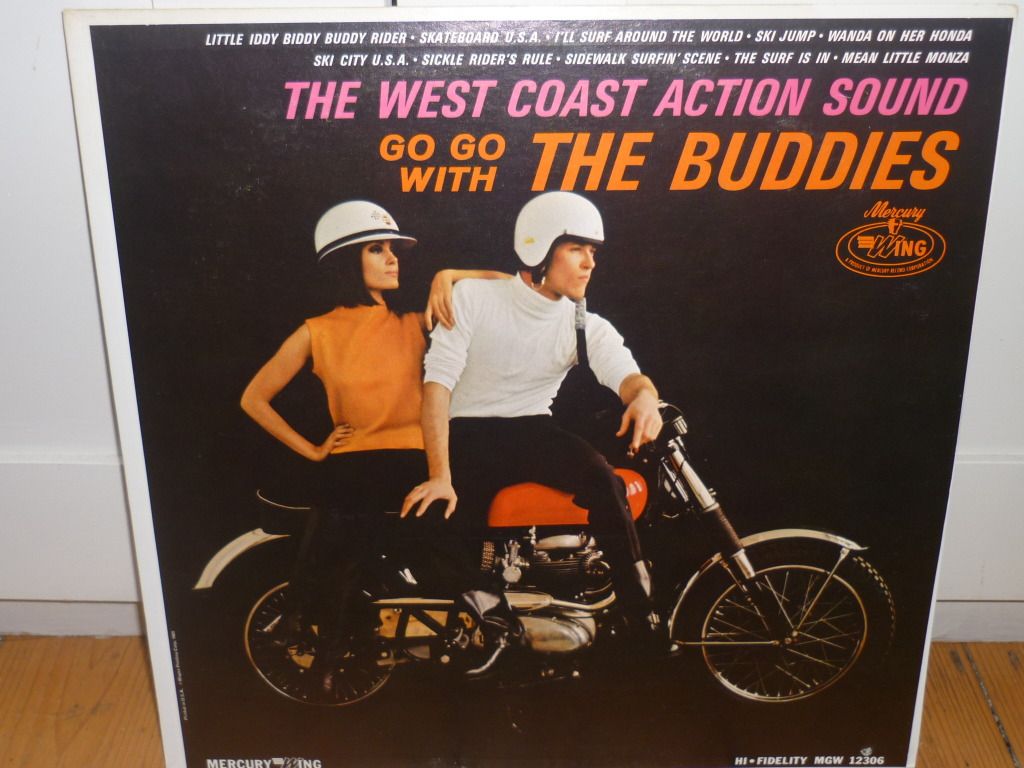
Curb and Allan were in the same choir and when Curb's ambitions led him to Mercury he took Allan with him. Finally he was taken on as a producer and worked alongside surf producer extraordinaire Gary Usher. He used many of Usher's techniques on his motorcycle records, including the recycling of tracks and the tendency to include one or two great songs and lots of filler. West Coast Action Sounds - Go Go With the Buddies is the second Mercury motorcycle record he produced and already it contains a number of tracks lifted of his earlier Buddies and Compacts record! Covering just about every Californian fad from bikes, to cars, to skate boards to skiing this is a nice but not exactly adventurous record. Allan had yet to fully explore the possibilities of fuzz and while there are some hints his playing is very much in the Dick Dale mould. Good, but don't loose any sleep if you haven't got a copy!


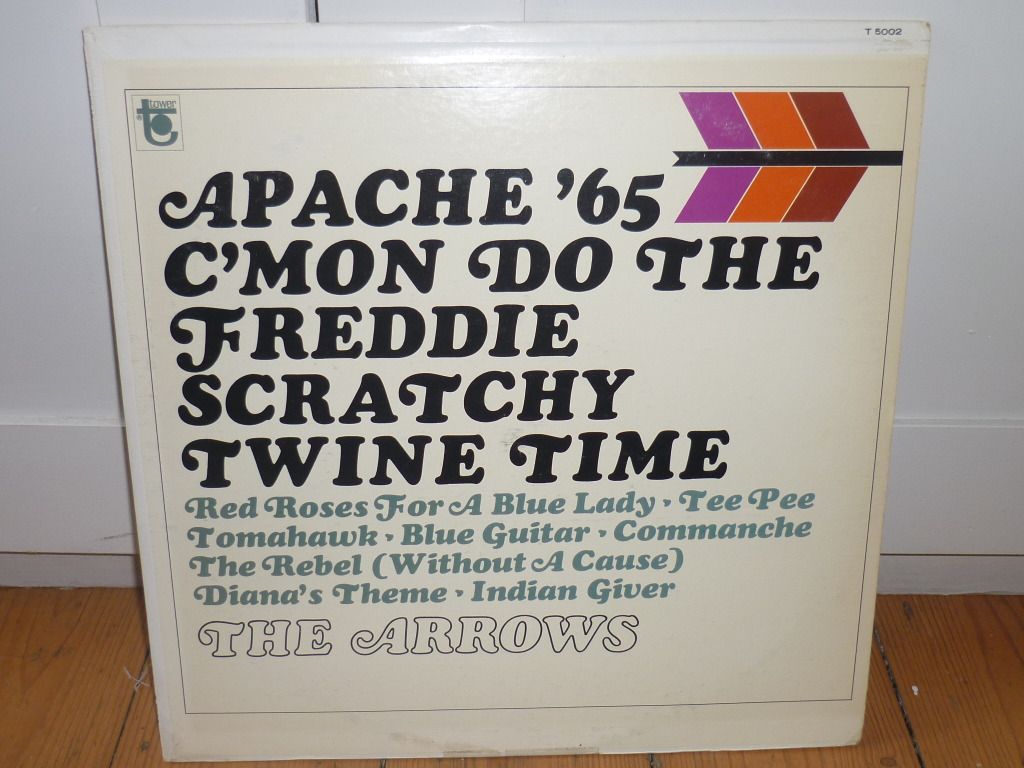
Allan and the Arrow's first album is a little cracker. Skip over their version of the Shadow's Apache and head straight to Tee Pee to get a full blast of their sound. Driving, fast paced, relentless surf with pounding drums and a catchy piano lick, its a great tune. A harmonica makes an appearance in Twine Time and to close the first side we get the great Rebel (Without a Cause). Side two is dominated by Scratchy. A great slab of Duane Eddy inspired guitar instrumental with a hint of the fuzz that would make Allan's name. The LP closes with Comanche (after Apache - geddit?) and a great end it is too.

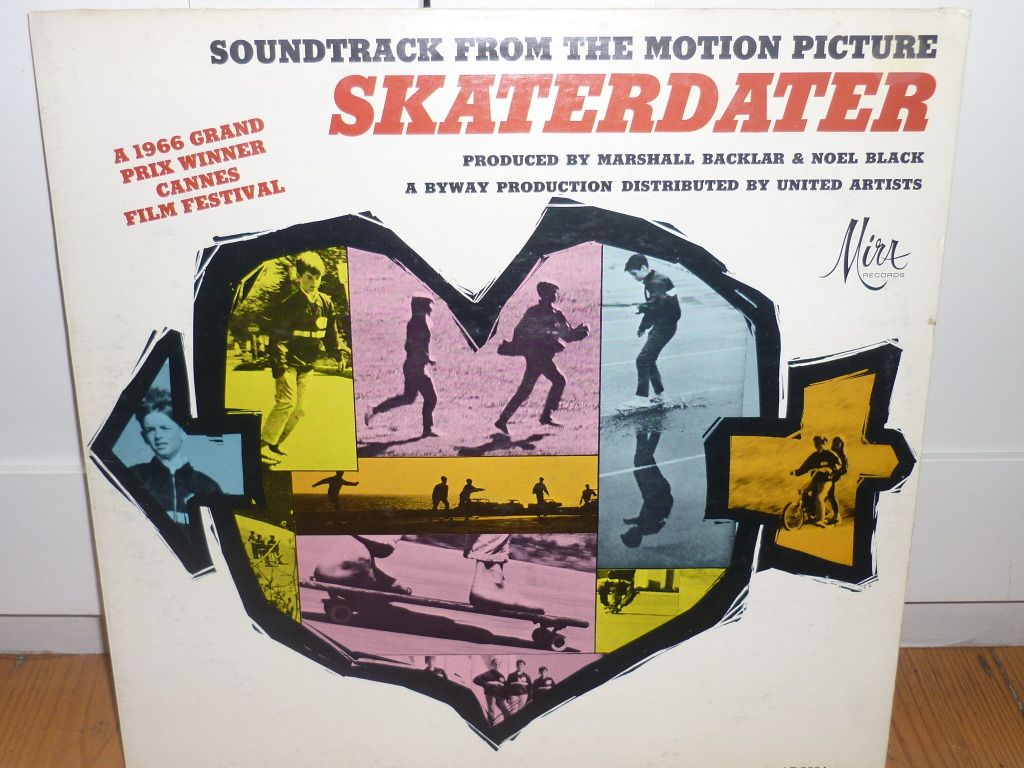
Allan would explore the fuzz further on his next record and first soundtrack, Skaterdater. Released on the Mira label and featuring Al Casey on guitar, Larry Brown on drums and Joe Osbourne on bass, this is the soundtrack to a short film about LA teenage skateboarders. The film was quite successful as you can see from the record cover!
However, in the main it's still basically coming from the world of surf music. Producers had been trying to find other pursuits to replace surfing that would continue the music and take it beyond the West Coast. So there were hot rod records, motorcycle records, power boat records, skiing records, and skateboarding records. However, perhaps unintentionally it lay the foundations for the rest Allan's career.

 Before leaving Mira Allan was session guitarist on this frankly bewildering record.
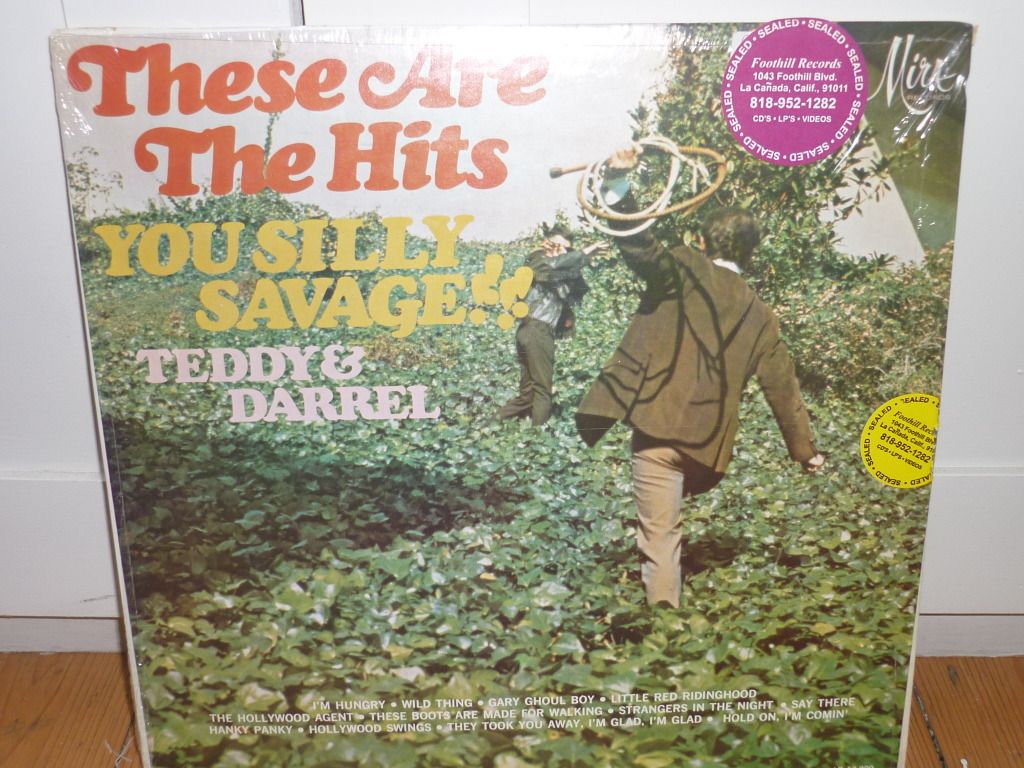
Without doubt the campest record in my collection, Teddy and Darrel take out most of the double in double entendre and leave you in no doubt that they are singing (if you can call it that) about sex.
Lisping and simpering in a completely stereotypical way the duo fly very close to the bone for a record released in 1966. Someone must have thought that there was a market for these camp covers or else why would they record These Are The Hits You Silly Savage? You should listen to These Are The Hits as, for no other reason, it will make you completely reasse Hold On I'm Comin! As far as Allan in concerned there is nothing in the way of fuzz guitar and so don't get it if you want something tough!!

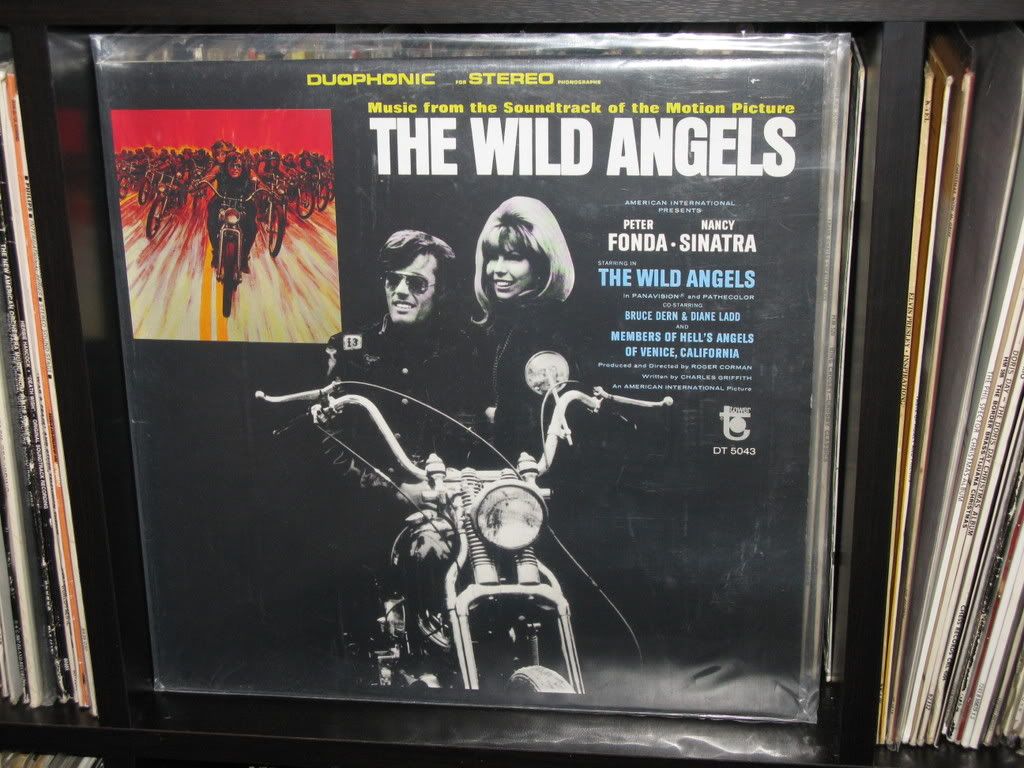
Luckily for history exploito film producer Roger Corman liked the fuzz he heard in Skaterdater and decided that it was what he needed for his forthcoming biker flick Wild Angels (what kind of movie might he have made if he'd heard Teddy and Darrel!).
The Wild Angels created a template that Allan would follow for much of his soundtrack work. There was a theme, The Theme From the Wild Angel, a freakout track, an absolute powerhouse of crazed fuzz, in this case the justly famous Blues Theme and some filler - no one needs to hear the Hands of Time's Lonely in the Chapel. Although some of the tracks are credited to Davie Allan and the Arrows, Allan and his Arrow cohorts played on every track and the bands credited were entirely fictional. Curb obviously liked to make it seem that he was in charge of a larger roster of acts when in fact other than Allan there were few others.

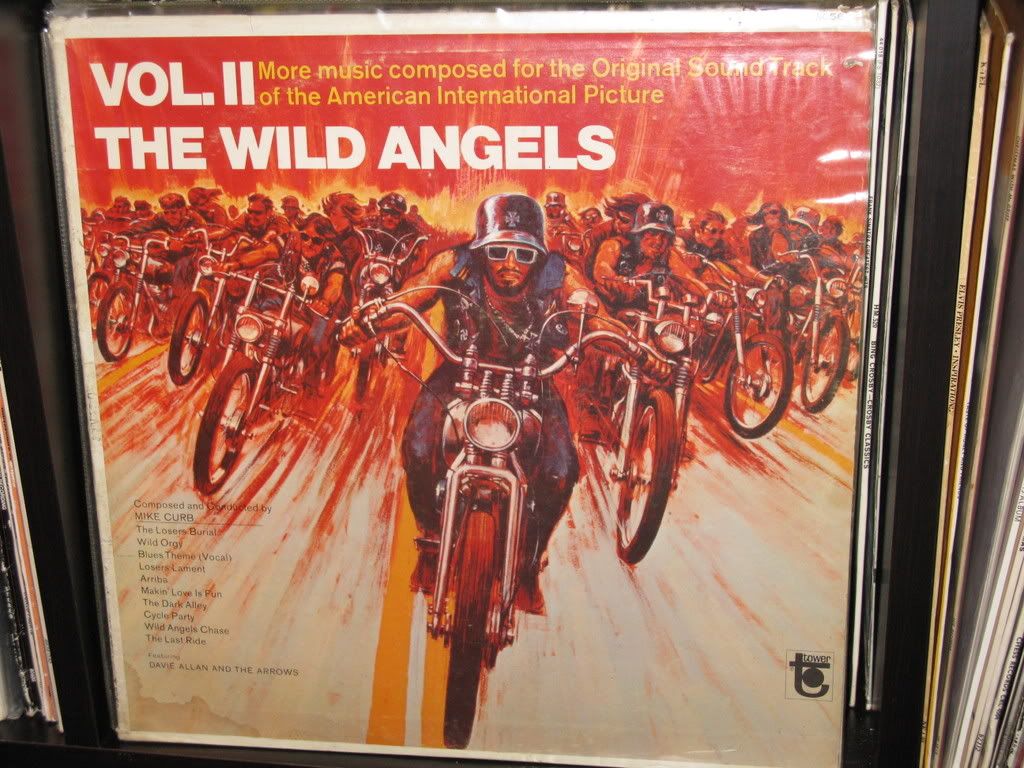
So successful was The Wild Angels and Blue Theme was such a runaway hit that Curb hurriedly got Allan and the Arrows back into the studio to knock out a follow up.
The Wild Angels Vol. II runs to just under twenty minutes and is nothing more than a retread of material on the original record.
However, Dark Alley and The Last Ride come to the rescue and save what might otherwise have been a pretty desperate record.
Allan's fuzz sound is now very much to the fore which is a good thing.


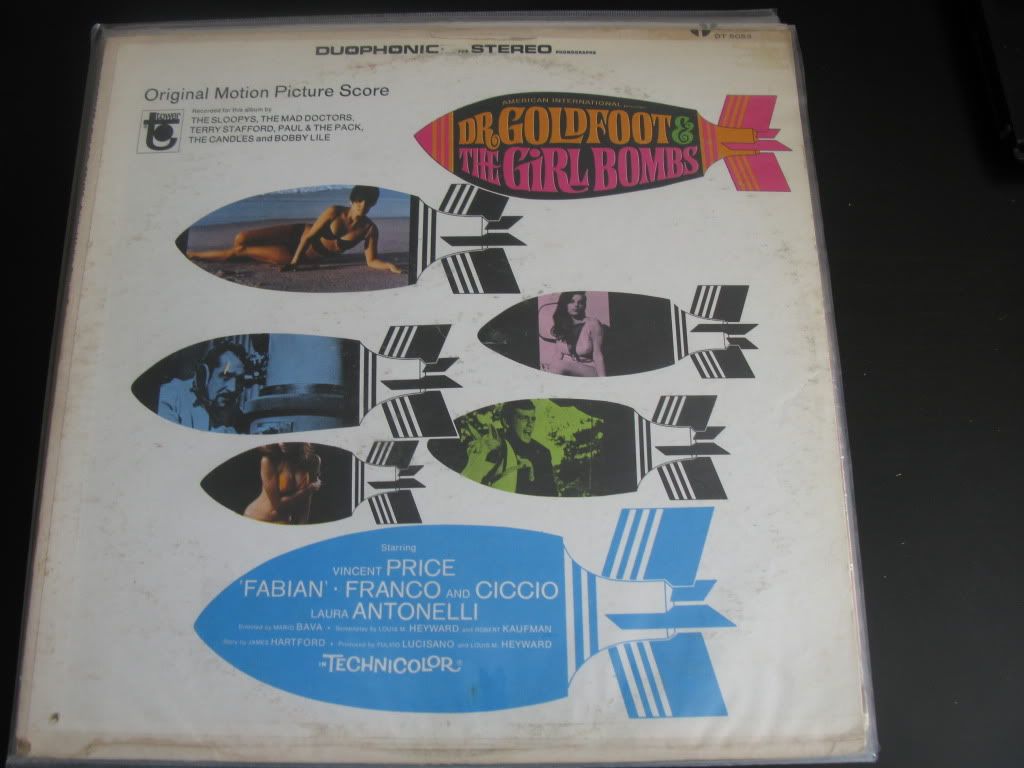
 But Allan and Curb won't only working on biker soundtracks. Dr Goldfoot and the Girl Bombs was a kind of James Bond meets Gidget movie staring Vincent Price and Fabian. There is even a sequel of sorts Dr Goldfoot and the Bikini Machine.
The soundtrack includes Curb stalwarts, Terry Stafford, Guy Hemeric, Harley Hatcher and Davie Allan.
If you listen closely you can hear him playing on the Candles track This I Say.
Overall I like this record more that I should. Its stupid and lightweight and generally pointless. Or perhaps those are reasons that I should like it? I'm particularly partial to the Mad Doctors tracks for some reason!


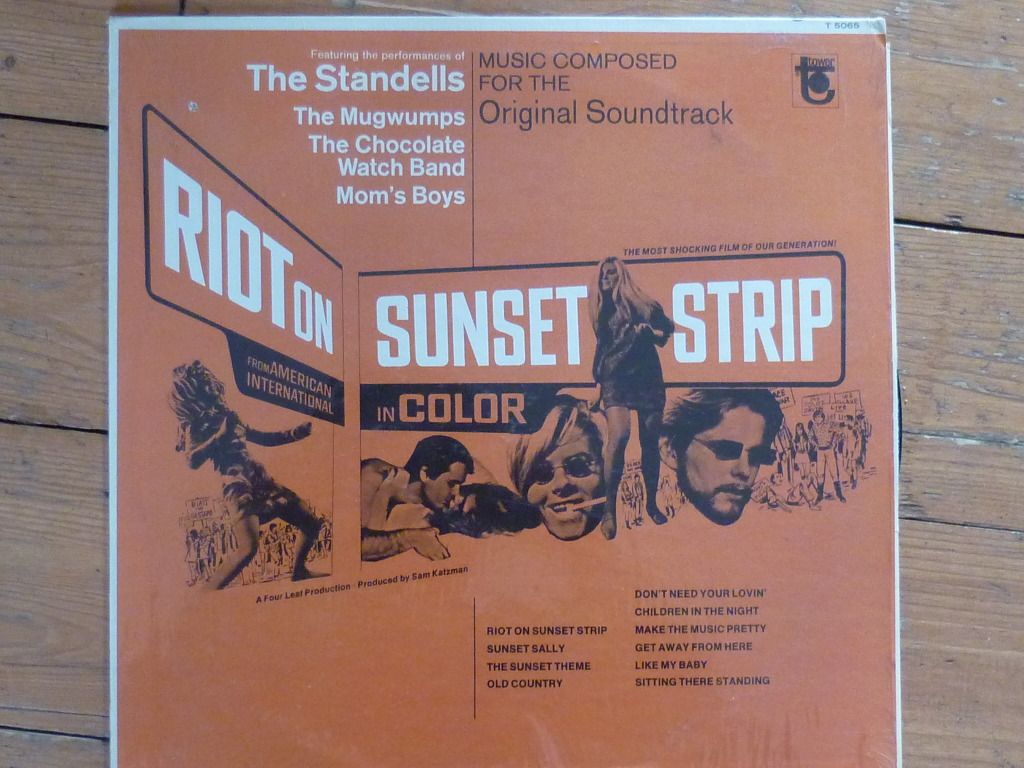
Riot on Sunset Strip is justly a classic soundtrack if not a classic movie. Using real band, The Standells and the Chocolate Watch Band there is a real garage punk feel to this record. It might really be music that kids listened to rather than music that record and film company executives thought they listened to! However, Curb, as he was the producer, couldn't help but add some of his own bands. So we get the forgettable Debra Travis, Drew, The Mugwumps and The Mom's Boys. There was also the Sidewalk Sounds, really Davie Allan and the Arrows. Allan also played on Mugwumps and Mom's Boys tracks. None of these stand up to the fuzz of the earlier biker soundtracks unfortunately.

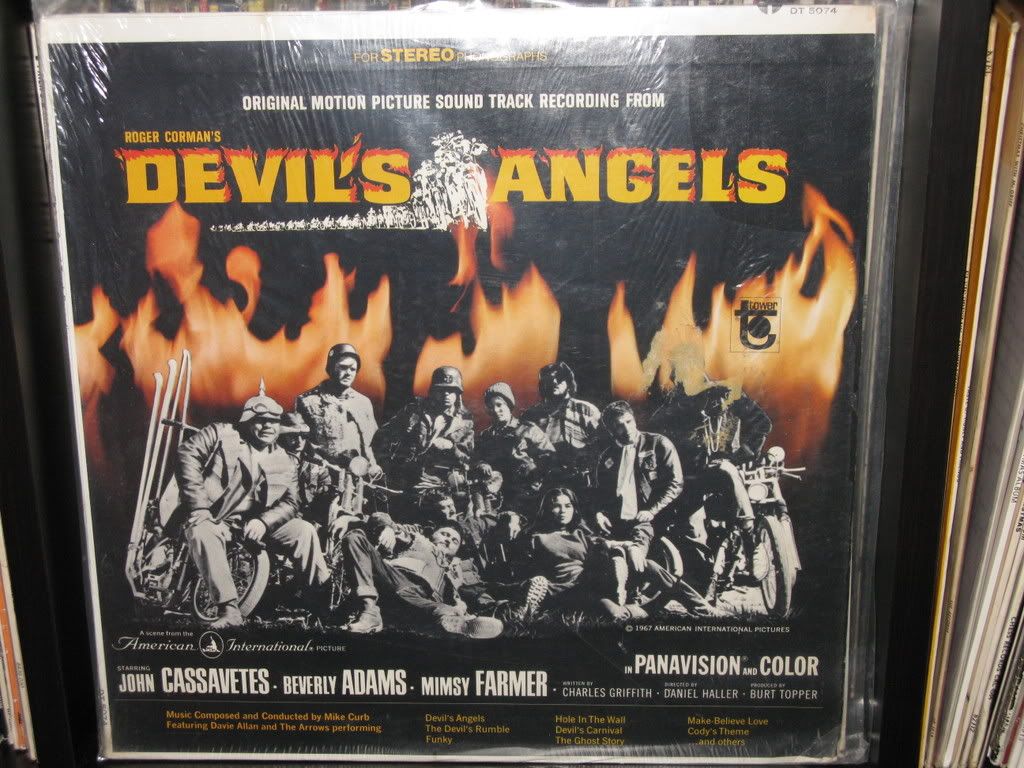
 Meanwhile Curb agreed with Corman that Allan would provide the soundtrack for Corman's next biker film Devil's Angels.
Curb pulled out all the stops and teamed Allan with Wrecking Crew stalwarts Carol Kaye, Hal Blaine, Larry Knechtel and Jerry Styner.
My God but its a killer group! Fuzz monsters such as The Devils Rumble, The Ghost Story and Devil's Angels are just too mean and hard to keep within the grooves of a record. They demand to be let loose to go screaming down the road, raising hell, taking bad drugs, and sleeping with your wife. If you have to get one Allan biker soundtrack it must be this one. Sure there is the usual filler, a bongo theme and a strange carnival track but the good tracks are just too good to miss.

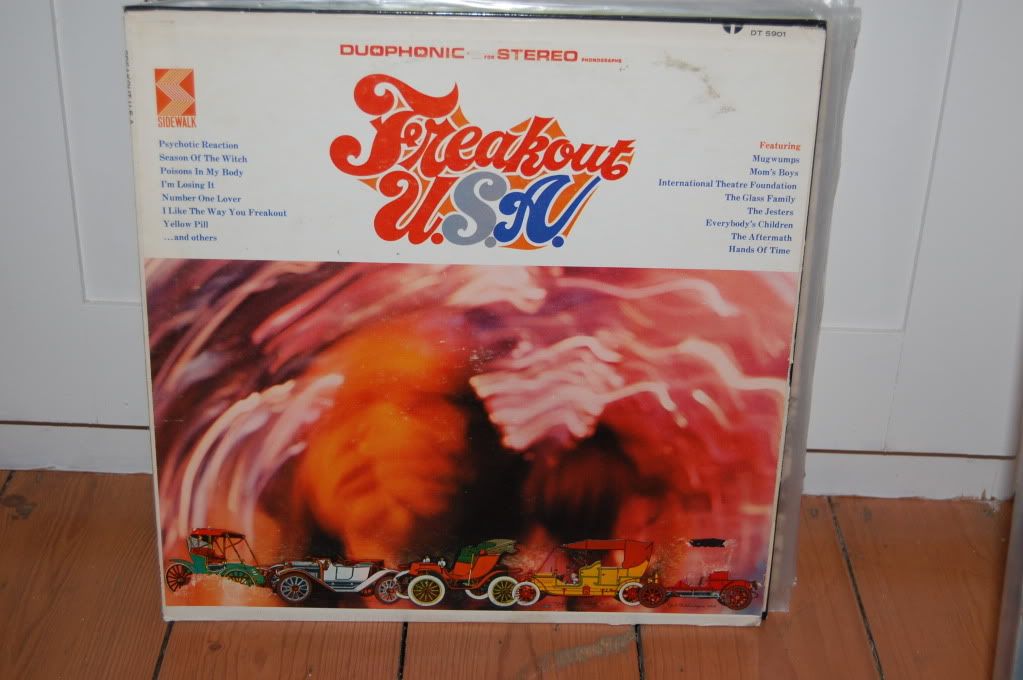
Taking a small break from relentless soundtracks, Allan and the Arrows next appeared on Sidewalk's Freakout USA LP.
Anyone familiar with exploito psych records will immediately see this for what it is - a plastic trip of the first order!
Curb 'bands' the Hands of Time, the Mom's Boys and The Mugwumps reappear for this cash-in. They are joined by other 'groups' The Aftermath, International Theatre Foundation, The Glass Family and Everybody's Children.
I'm pretty sure its Allan on the Hands of Time (I Like the Way You Freakout and Psychotic Reaction), the Mom's Boys (Yellow Pill and Up and Down) and the Mugwumps (Season of the Witch). Most likely its him on the other tracks too!
As it says on the back "..you can rest assured that you'll fall down and pass out screaming with the Psychotic Reaction sounds of today's frenzied Freakouts - USA". Of course! Pick it up for fun. If you look closely at the photo of my copy you'll see that someone has added transfers of old cars to the cover - in my mind that just makes it even more of a freakout!

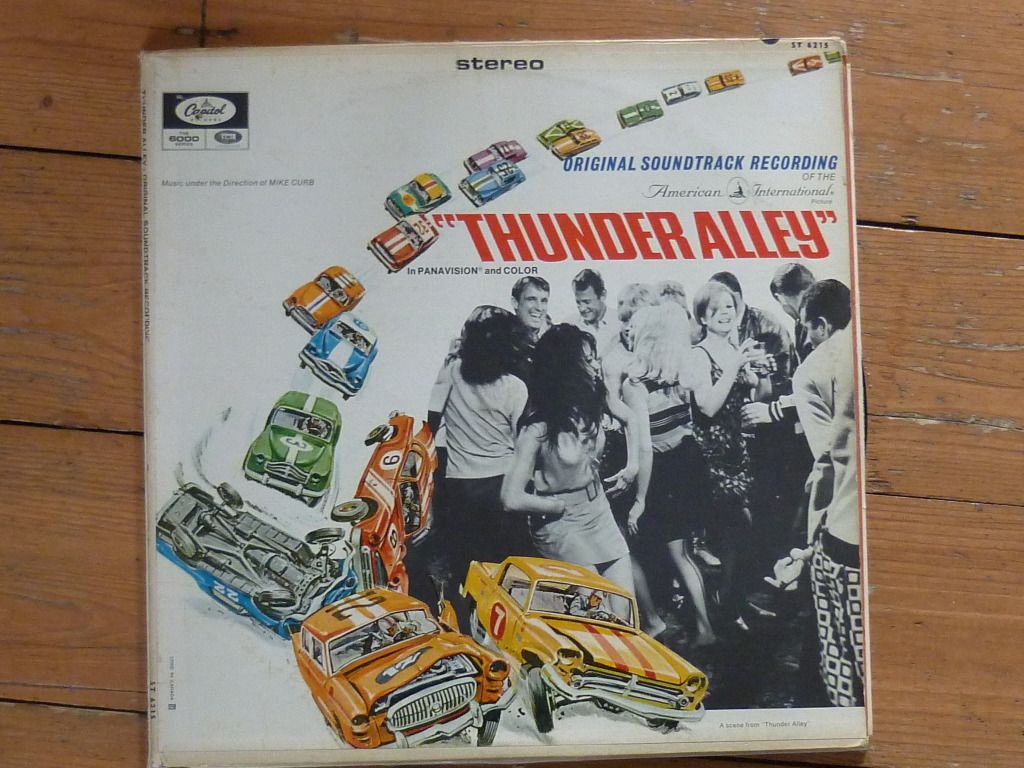
Thunder Alley was a vehicle (geddit?) for Fabian and Annette Funicello after the surf movie fad had run its course it was similar to Elvis's racing movies, Spinout and Speedway.
The soundtrack boldly announced that it was introducing the Band With No Name and includes on the reverse a picture of some likely looking lads in 'mod' attire. In fact not only did the band have no name it wasn't even a real band. It was really just Davie Allan and the Arrows in disguise. And so was the Sidewalk Sounds who we last saw on the Riot on Sunset Strip soundtrack and who we will see later.
As for the music, all the Band With No Name and the Sidewalk Sounds contributions have Allan's twangy fuzz guitar in full effect. My favourite is the Theme From Thunder Alley which closes the record but Calahan's Vision is also very fine. Pete's Orgy wins the prize for best title even through the song itself is only about 30 seconds long!

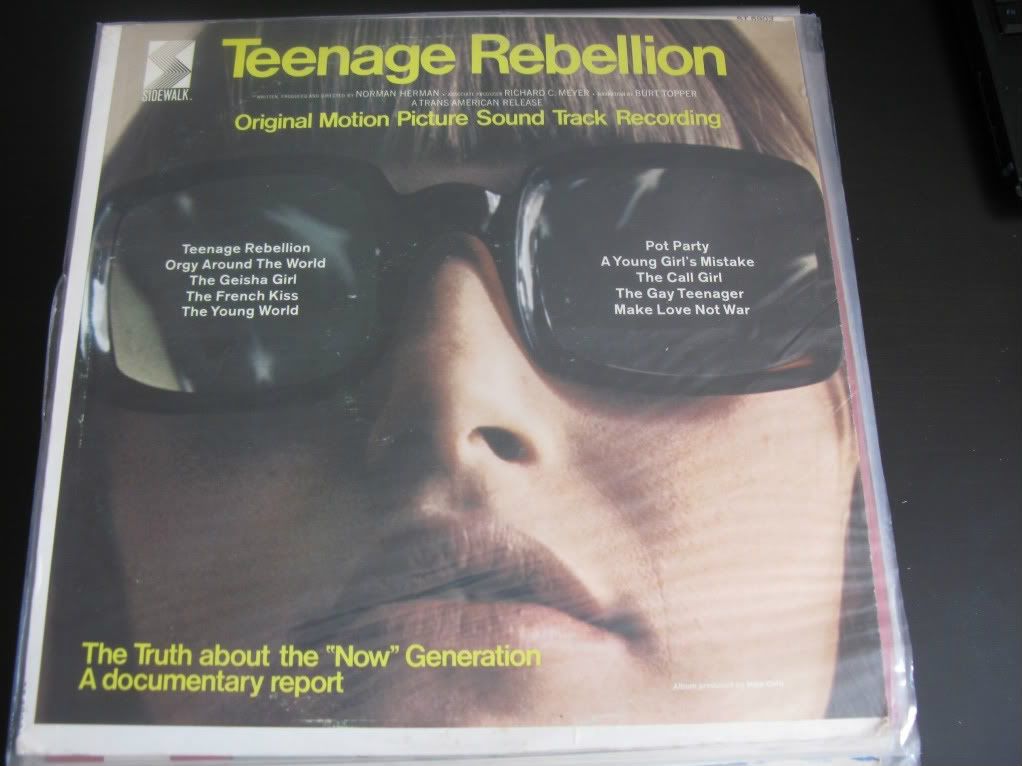
 Isn't this one of the best record covers you've ever seen? Very cool. Teenage Rebellion was a mondo movie purporting to show the 'real' life of teenagers. And in case you are in any doubt the track titles tell you what these kids are up to. Orgy Around the World, The French Kiss, Pot Party, The Call Girl and The Gay Teenager (perhaps Teddy and Darrel?). Oh to have been a teenager in the 60s when it was all sex and drugs. When I was a teenager I would have killed for sex or drugs, but that's a different story.
There are no bands credited on the record but there can be no doubt that its Allan behind the opener Teenage Rebellion, The Young World  (an early version of Action on the Streets) Make Love Not War and Pot Party. Only Allan could produce that deep down dirty fuzz sound. I'd guess that the slightly surf inflected other tracks feature our man as well. Special mention must be made for Pot Party. Over a Duane Eddy like background a super serious voice over warns/titillates the listener about the drug problem. "If marijuana is the appetiser the advent of the space age technology has provided the main course - LSD, the crazy acid!" Of course.
I also have a soft spot for A Young Girls Mistake which is a crazy moog track that could be straight off a JJ Perrey library record.

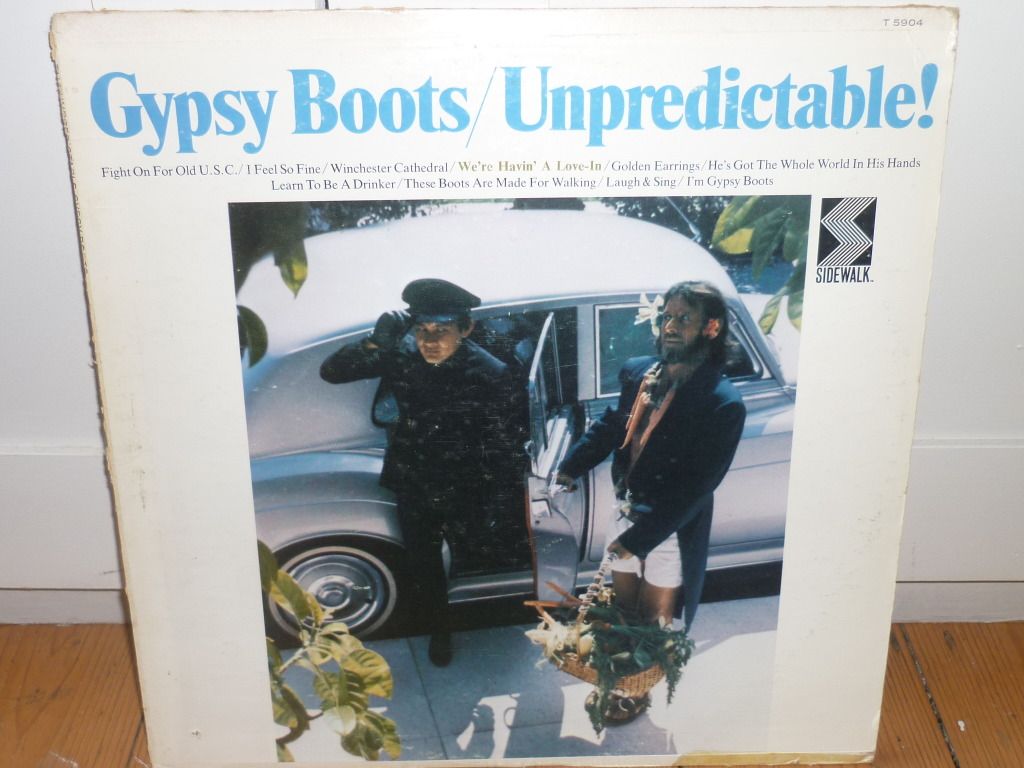
Gypsy Boots was a LA character who was into nature and the ecology before it was hip. A friend of Eden Ahbez who wrote Nature Boy, Gypsy Boots had his own health food store and appeared numerous times on Steve Allen's TV show.
With long hair a beard he look positively bizarre in the late 50 and early 60s. Now he wouldn't make anyone look twice.
I've no idea who was the brains behind this record. Boots can't really sing but shouldn't have been a problem. The real problem is that the songs are terrible and the music is appalling. My advice to you is not to buy this record.


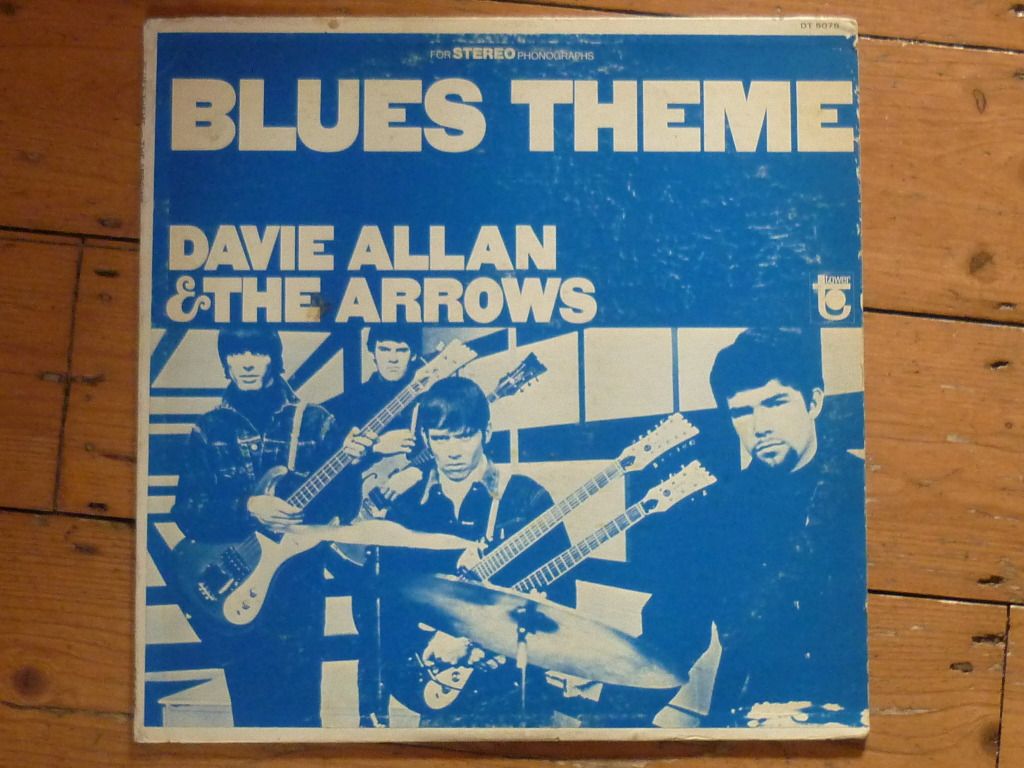
Now we're talking! Packed with mosrite monster fuzz action Blues Theme is all killer and no filler. Every track is a perfectly delivered slice of guitar instrumental mind warp. However, in 1967 no one was interested in this kind of music. The cash-in movies that Allan provided soundtracks for were a better indication of where the kids' minds were and unfortunately for him they were no longer at the beach.
The record starts with the Arrows most famous cut, Blues Theme and also includes Theme from the Wild Angels. Theme from the Unknown and Sorry 'bout That are all recycled from elsewhere. But as they are amazing examples of surf guitar shredded by fuzz its not a problem.
Action on the Streets is a particularly wild and crazed piece of music that could only have more fuzz if the vinyl grew a beard. It has to be heard to be believed. Their take on the Thunderball Theme is also pretty damn fine too.
I can't tell you how great this record is, you'll just have to go out and buy a copy and find out for yourselves!

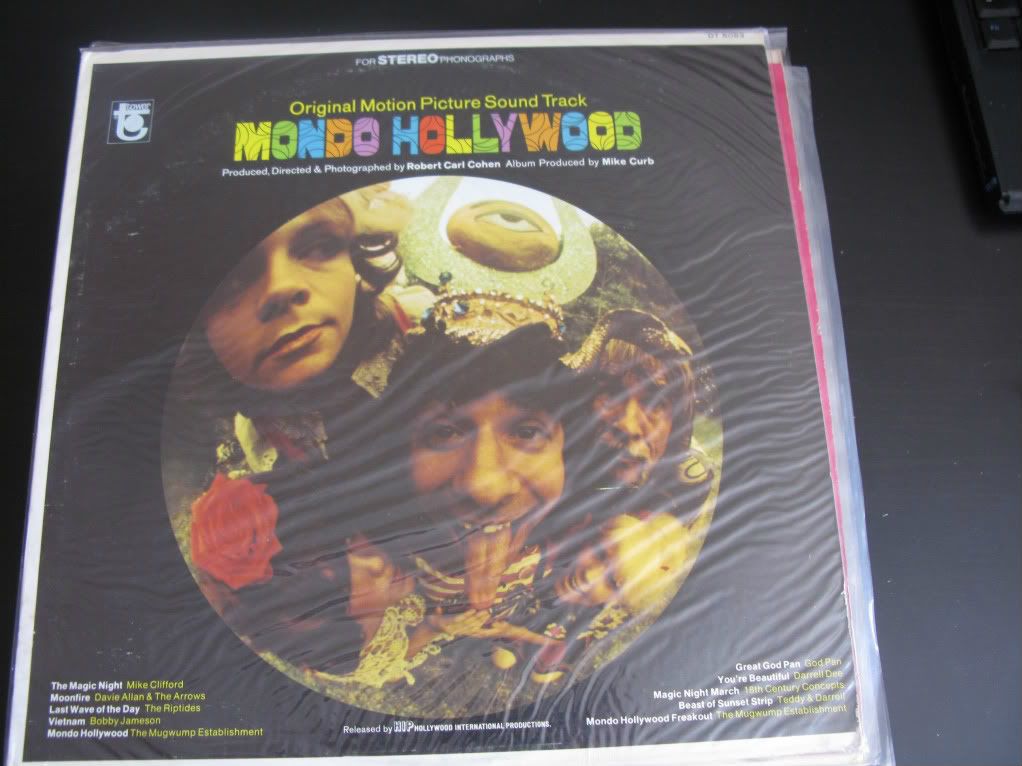
Mondo Hollywood was a similar kind of film to Teenage Rebellion. A 'documentary' the supposedly revealed the strange side of LA it included our friend Gypsy Boots.
Thankfully he didn't contribute to the record but some other familiar names crop up. Remember Teddy and Darrel and The Mugwumps? It also has the first appearance of the 18th Century Concepts, a band for whom Curb would produce a number albums.
Allan only contributed Moonfire, a typically fuzzed out excursion into the freakiest areas of guitar action.
I suspect that he is also on all the other tracks but who knows?
Great cover, don't you think?


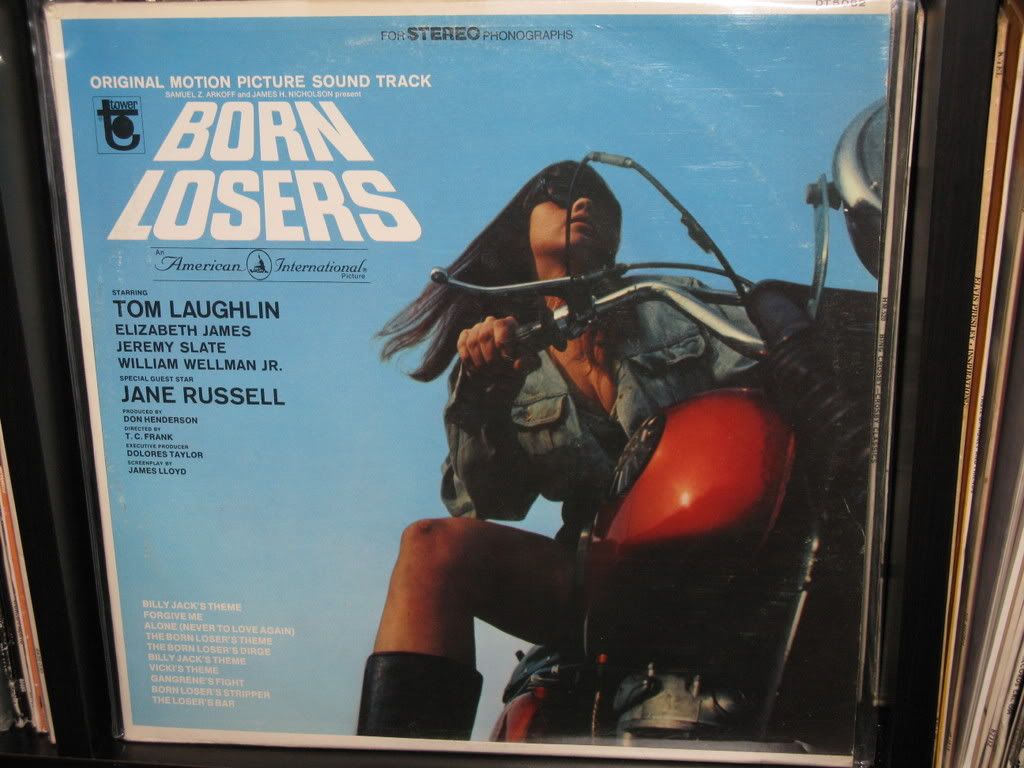
Another great record cover.
Using their Sidewalk Sounds alias, Allan and the Arrows fourth biker soundtrack could have built on the strengths of Devil's Angels.
Instead someone at Tower/Sidewalk though that the way to go was Mariachi Brass. Not so much fuzz as brass!
There are some moments of relied, notably The Loser's Bar and Gangrene's Fight but its too little too late.
By now Allan had been working on so many records, soundtracks, sessions and his own records, that perhaps the quality control had gone a little awry? Or maybe Bob Summers, who produced the record had cloth ears?

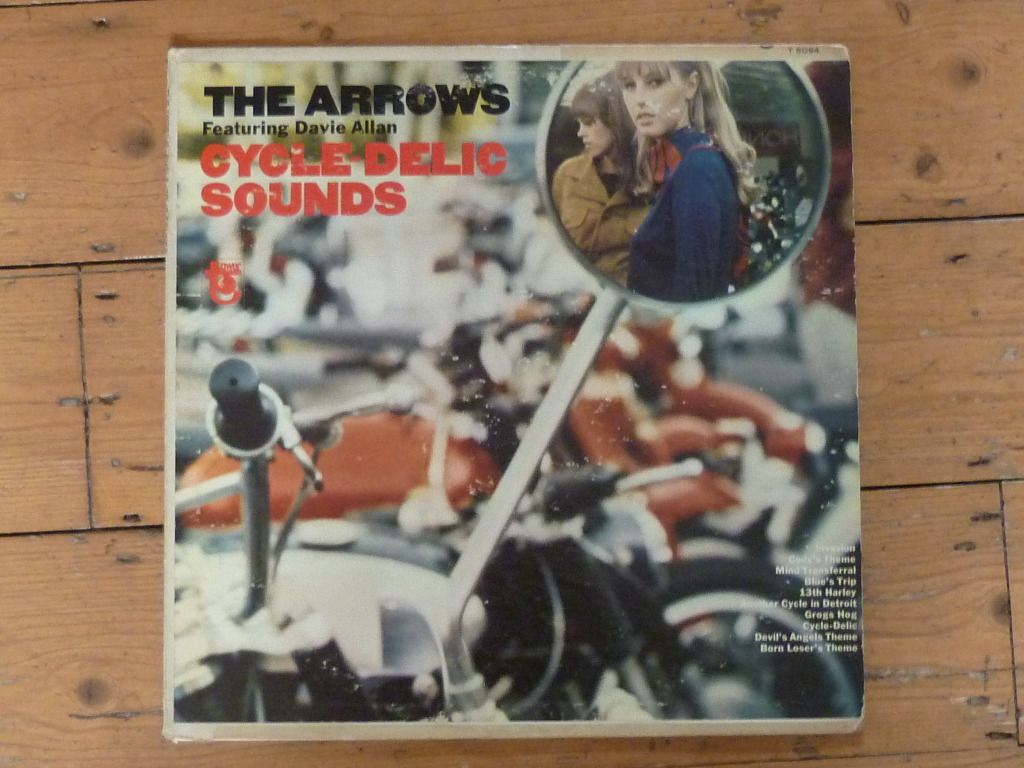
Cycle-delic Sounds - the title says it all. If you are reading this you should stop right now and go and track down a copy of this record. It is without doubt one of the greatest instrumental records ever produced and it takes the surf-based format and injects about as much fuzz as anyone before or since has injected into any music.
There are three tracks from biker movies - Cody's Theme and Devil's Angels from the Devil's Angels soundtrack and Born Loser's Theme from the Born Losers.
The rest are all originals and are incredible. The record opens with what is Davie Allan's greatest moment. A seven minute trip into the unknown and back again. Layers and layers of distorted and crunched guitars attack the music as though life itself depended on it. Screaming from every side, Allan's guitar sounds like it is blazing off to another planet and is taking you along for the ride. It weaves in and out, builds up, comes back down only to build up once again.Its a howling fuzz monster that you need to hear - now!
After that the other tracks seem almost polite in comparison. But they aren't. Invasion, Blue's Trip, 13th Harley, Another Cycle in Detroit and Grogg's Hog tear through your ears like bats out of hell. Rough, raw and fierce they are the sounds of surf put through a blender and reconfigured as a new musical creature.  The record closes with Mind Transferal which features backwards vocals and even backwards drums!
If you have any taste at all you will love this remarkable and unique record.
Oh, and isn't the cover cool?


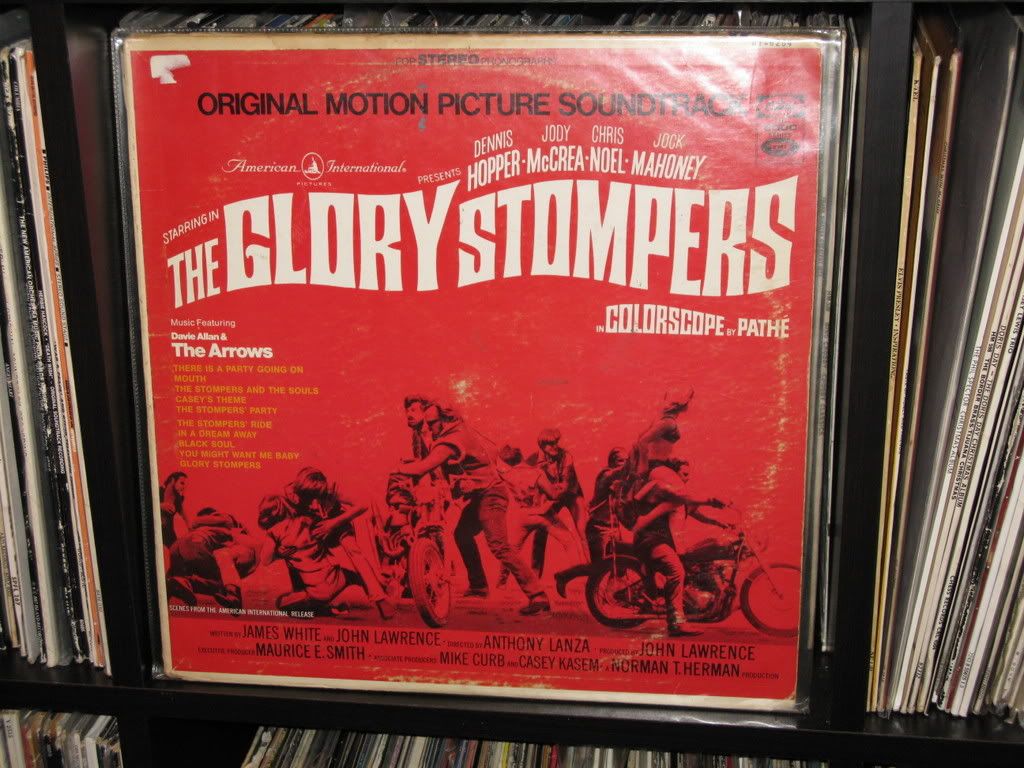
After reaching such a pinnacle of fuzzed out mayhem what else was there to do but record another biker soundtrack? Credited to the Sidewalk Sounds and Eddie and the Stompers the music on this record keeps up the tremolo/fuzz pace of its predecessors.
The main action is at the Stompers and the Souls and the Glory Stompers.
As usual there is a fair share of filler but you've come to expect that by now haven't you?
Apparently some of the music on here was originally intended for another Corman classic The Trip but the Electric Flag got that gig instead!

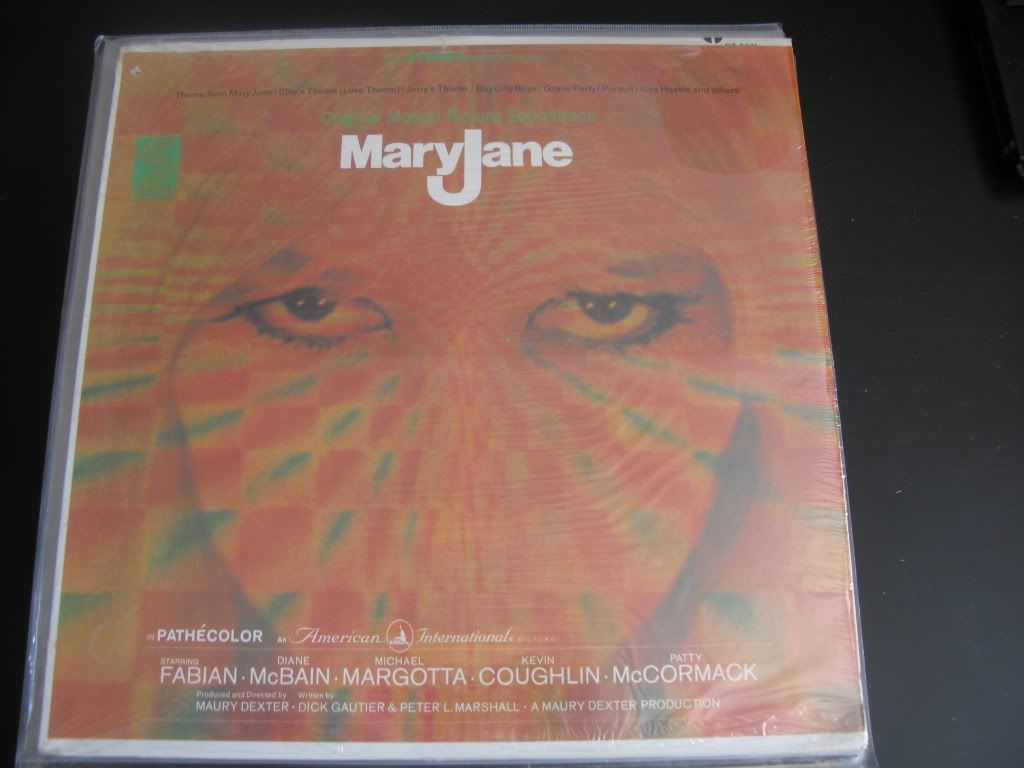
I wonder what a film called Mary Jane could be about???
Staring Fabian and Diane McBain its a rather disappointing dangers of drugs film. Its not as good as Psych Out.
The soundtrack on the other hand is very good. Grogs Hog gets recycled as Bay City Boys but the rest of the music is original. You'll have to skip over the Mary Jane Theme twice. Once by Mike Clifford was bad enough but to have it again sung by Mrs Miller is too much for anyone to take.
There's no mental fuzz action but that's ok because its a largely percussion lead affair.
Standout is Gas Hassle.

Fabian was, again, the star of the next Allan soundtrack record - Wild Racers.
Its largely a snooze-fest despite the Arrow's involvement, again sometimes credited as the Sidewalk Sounds.
The Wild Racer's Theme raises a little interest but overall its not a very interesting record.
Possibly the most interesting thing about my copy is that its from Canada!


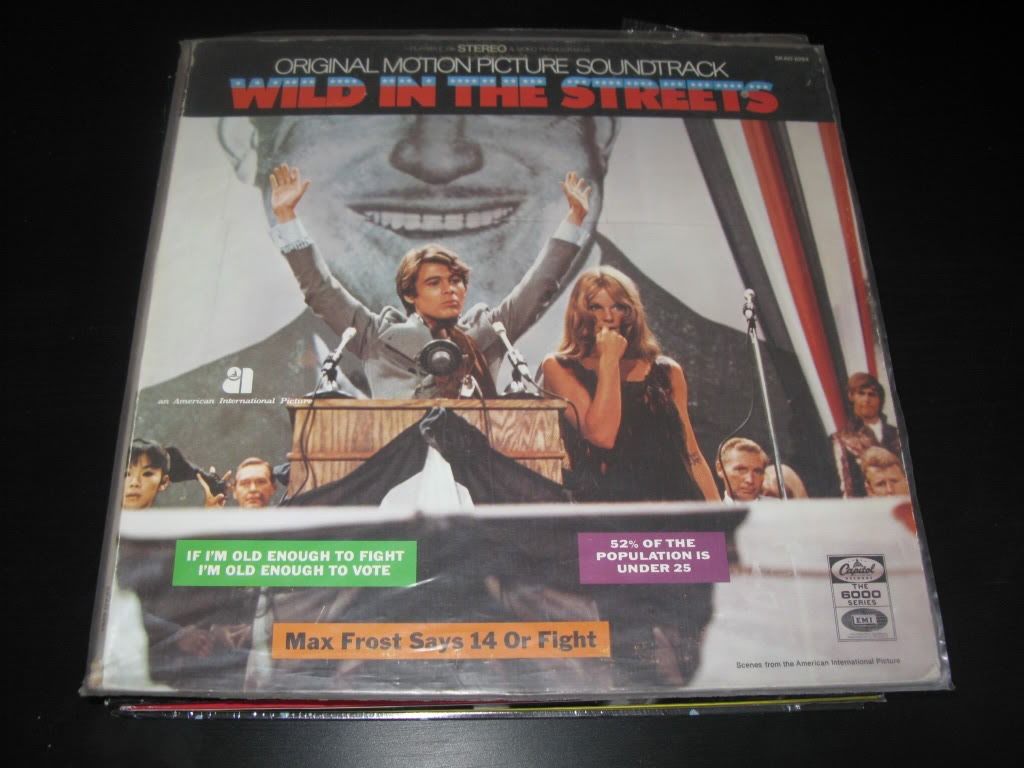
Wild in the Streets is a pretty groovy movie starring Christopher Jones, Shelley Winters and Richard Pryor.
Allan's fuzz doesn't feature much on this record although it does have its moments, most notably Psychedelic Senate which has some groovy sitars. The music was composed by exotica god Les Baxter or Barry Mann and Cynthia Weill.
Mos of the tracks are credited to the 13th Power which I suspect is really another Curb non-band and is actually Allan and his Arrows.
Allan and the Arrows also recorded their own version of the soundtrack which was released at the same time. I haven't tracked a copy down yet but as soon as I have I'll add it in.

Another spin off from the movie soundtrack was this record which included the tracks Shape of Things to Come and Fifty Two Per Cent from the movie.
Its actually not a bad record and has some fine moments. I particularly like Captain Hassel and Shine It On as well as the two movie tracks.
I don't think its Allan, there is certainly none of his trademark guitar sounds on it.
Does anyone out there know who Max Frost and the Troopers were?


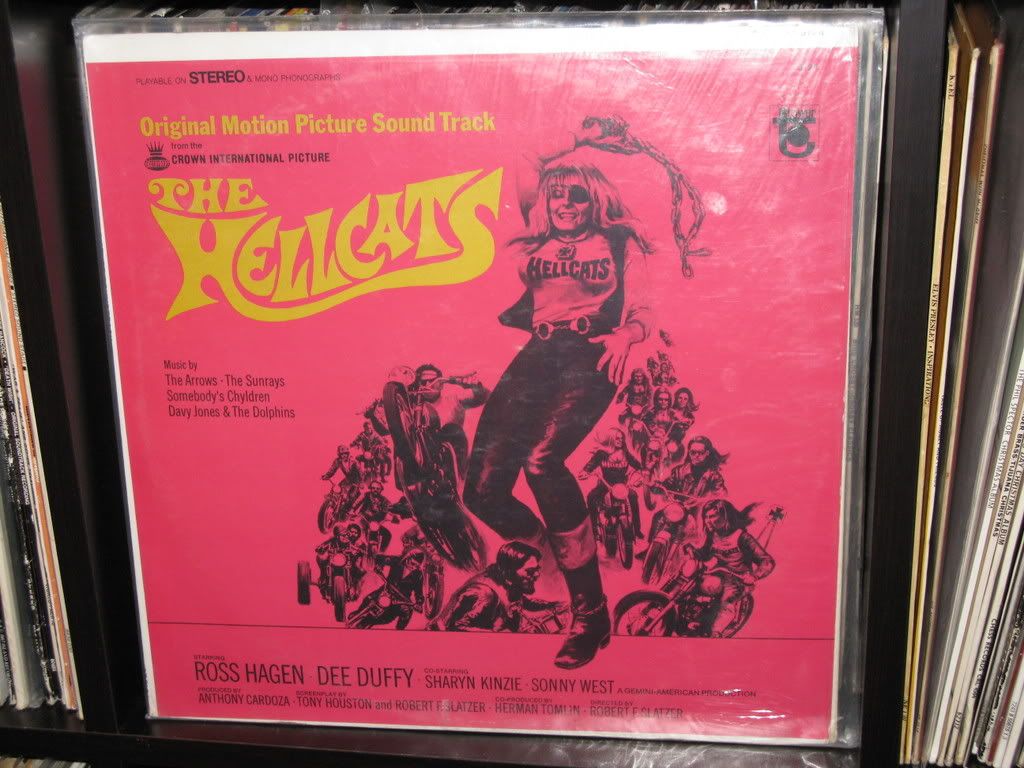
The next biker movie that Allan would work on was the Hellcats.
As you can probably tell from the cover it was about female bikers.
Just as the momentum was going out of biker films so it was going out of Davie Allan and the Arrows. The title track is another fuzzed out stormer but is it just me or by now hasn't Allan done about all there was to do with this sound? Its not a bad track it just isn't very inspired.


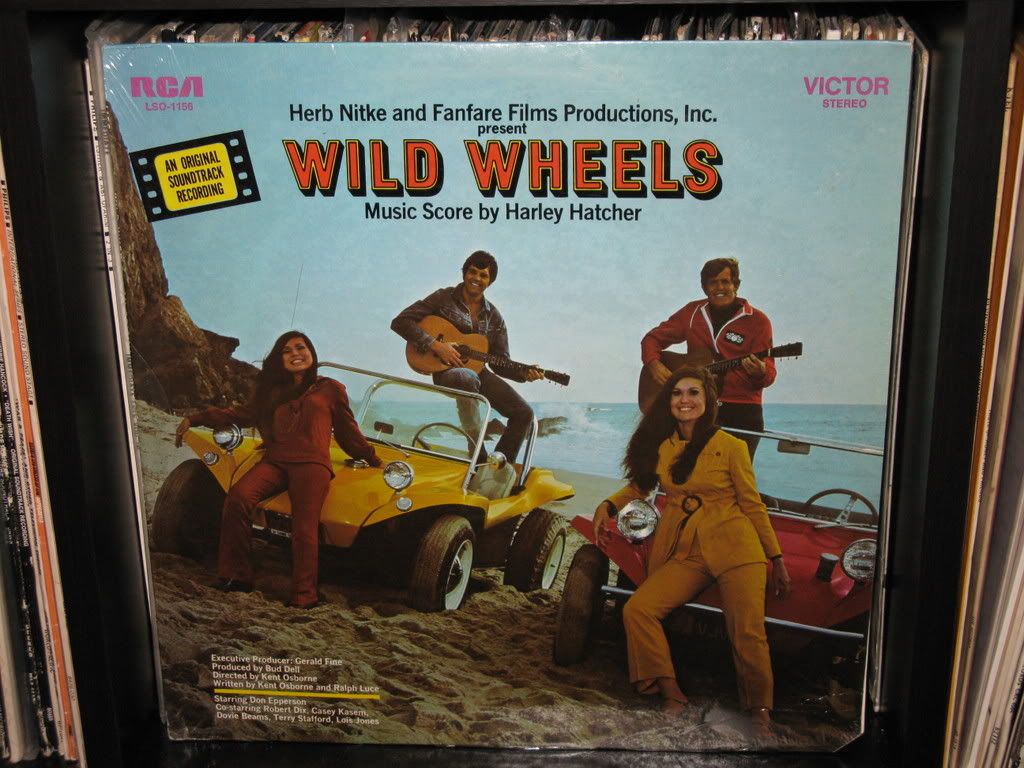
Allan would play on a few further biker soundtracks. Wild Wheels pitted beach buggies (good) against bikers (bad).
The music is a bit of a disappointment although it does have Allan singing on Makin' Love which is a re-recorded version of the Arrows' Makin Love Is Fun.
Its credited to the 13th Committee - possibly related to the 13th Power from Wild in the Streets?


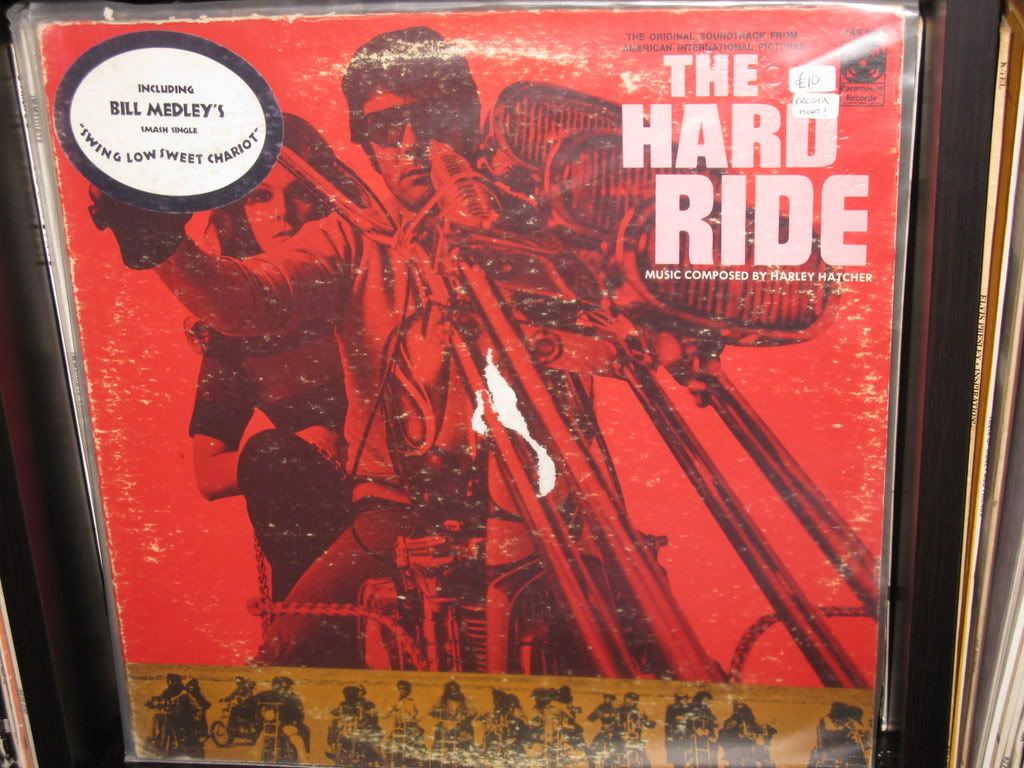
Allan also contributed a very surf sounding track to another biker movie The Hard Ride.
Its a lovely song but has absolutely no fuzz at all.


Allan would also play on a surfing movie called the Golden Breed. I've yet to track down an original copy I can afford but when I do I'll include it here.


In 1969 Curb would sell of Sidewalk Productions for $2 million and go and work at MGM. Allan found that the work simply dried up and disappeared. tI wouldn't be until the 80s that he recorded under his own name but it is for his incredible body of work in the late 60s that he will be best remembered.

Tuesday, 2 October 2012

Jerry Cole - Between Surf and Psych

Between his reign as the go-to guy for surf and hot rod instrumentals (read about it here) and inadvertently spawning a slew of psychedelic cash-in (read about The Id and the Animated Egg here), Cole was involved in a series of rockabilly inspired records. Sticking with the Bihari's Crown and then Custom labels, Cole followed the tried and tested cheapo record formula - get into the studio, record as much material as possible, use as many old ideas as you can (why waste anything) and leave the design geniuses at the record label to package them up in as corny a way as possible. If you want to read more about Crown click here.
However, despite everything seeming to count against these records having anything of interest in their grooves, Cole's musicianship and professionalism shine through.
Its not psychedelic, its not surf, its not really even rockabilly. But don't let that put you off. These are worth turning your ears to.


Credited to the Stinger, Guitars A Go Go features some fine, fuzzy blues based playing. I particularly like Mo Jo, which is really just a Howlin Wolf knock off - but this is the world of exploito so who cares? I'm also partial to the opener, 007 Rides Again, if only because the title is trying to link the record to the Bond-craze. Its got zero to do with James Bond. Meanwhile, Mustang has a very Buzzsaw-type vibe with loads of Link Wray-esq fuzzy guitar action. Side one closes with Dang Thing which has some nice, clean, surf playing from Cole. I'm pretty sure it appears on one of his hot rod records but I can't place it. Time to crack open the sax for side two and frankly, to these ears, its not an improvement. That is until we get to the slightly crazed, uptempo One for the Money. You can image the kids go-going to this one! All in all I like what the Stingers are doing on this record. Sure the production is almost nonexistent and sure the music is derivative but its no-nonsense fun stuff. And I've got to love it for that!

 
It made a kind of sense to put out the first Stingers record in 1965 but by 1967, when Volume 2 (now credited to Jerry Cole and the Stingers) came out it must have been old hat. However, it does open with Yeah Yeah Yeah, which is just The Id's Boil the Kettle Mother without the strange lyrics. Done in a more obvious rock and roll style its pretty good although it fails to reach the levels of weirdness the Cole got to with the Id. There's a lot of very fine blues-y piano on this record, and thankfully no sax! It's not as good as its predecessor, however. As usual the titles are amusing as they are obviously trying to reference hits of the day. Paperback Lover (Paperback Writer), Along Came Mary (And the Wind Cried Mary), Yeah Yeah Yeah (She Loves You Yeah Yeah Yeah).

Its a return to form with A Go Go Guitars, although unfortunately not a return to fuzzy guitar. Now Jerry has dropped the Stingers altogether so perhaps Crown thought people would buy the record for his name alone. It opens with Hip Hugger - which appeared in a different guise on a number of other Crown exploitos. And guess what, next we have another version of the song that would become Boil The Kettle - here called Boss Hair. I'm sure I've also heard Teen Age Fair before as well, but I'm so addled by all these exploito records I can't be sure where I've heard it. Side 2 has a distinctly blues-derived sound and while its a long way from actually being the blues, its very listenable for all that!


What do you do when there's a new 'fad' and you are a knock-off label like Crown? Of course you repackage your old stuff as new stuff. Don't buy these records. Why I hear you ask? Because they are just repackages of the A Go Go/Stingers stuff, because they are NOT psychedelic in any way, and because, for some reason, they sound even worse than their predecessors. 


Thursday, 13 September 2012

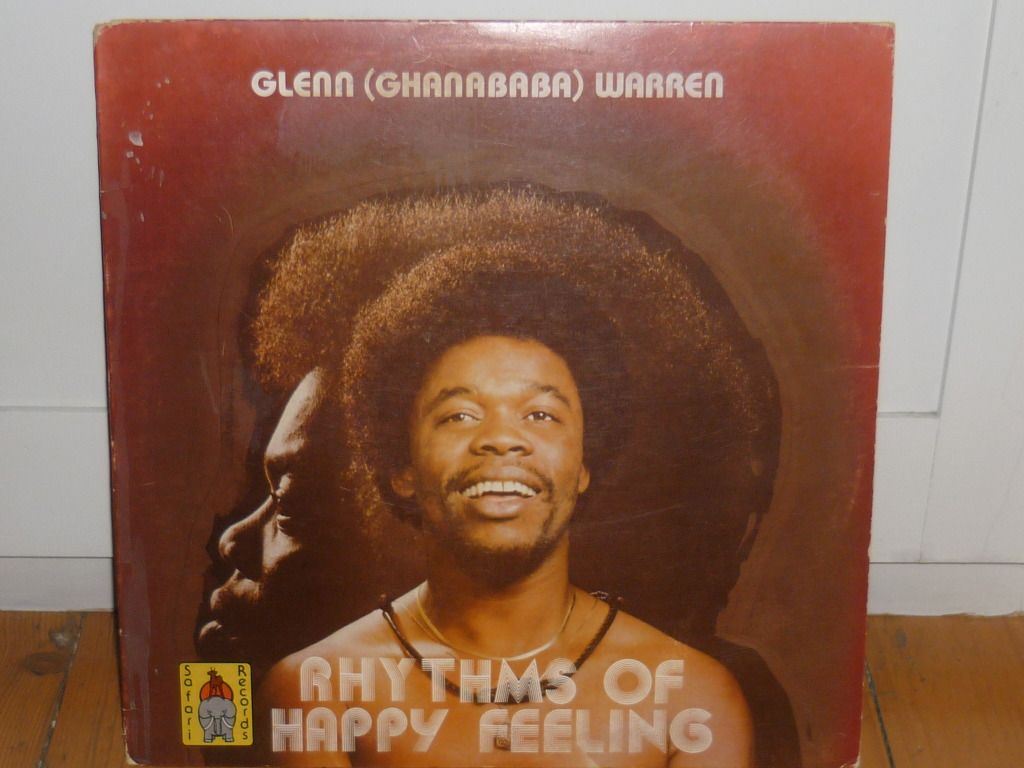
GLENN (GHANABABA) WARREN - RHYTHMS OF HAPPY FEELINGS


 This, unjustly neglected record, is by Glenn Ghanababa Warren. However, it has his father, Guy Warren's fingerprints all over it!
The description on the sleeve perfectly described the music within the grooves:- "Discussed in Africa ... Recorded in Europe ... Mastered in America." So we have a record with a definite African flavour, largely played by Brits and remixed with a light (and sometimes not so light) fashionable disco-influenced style. And when it works its a pure joy!
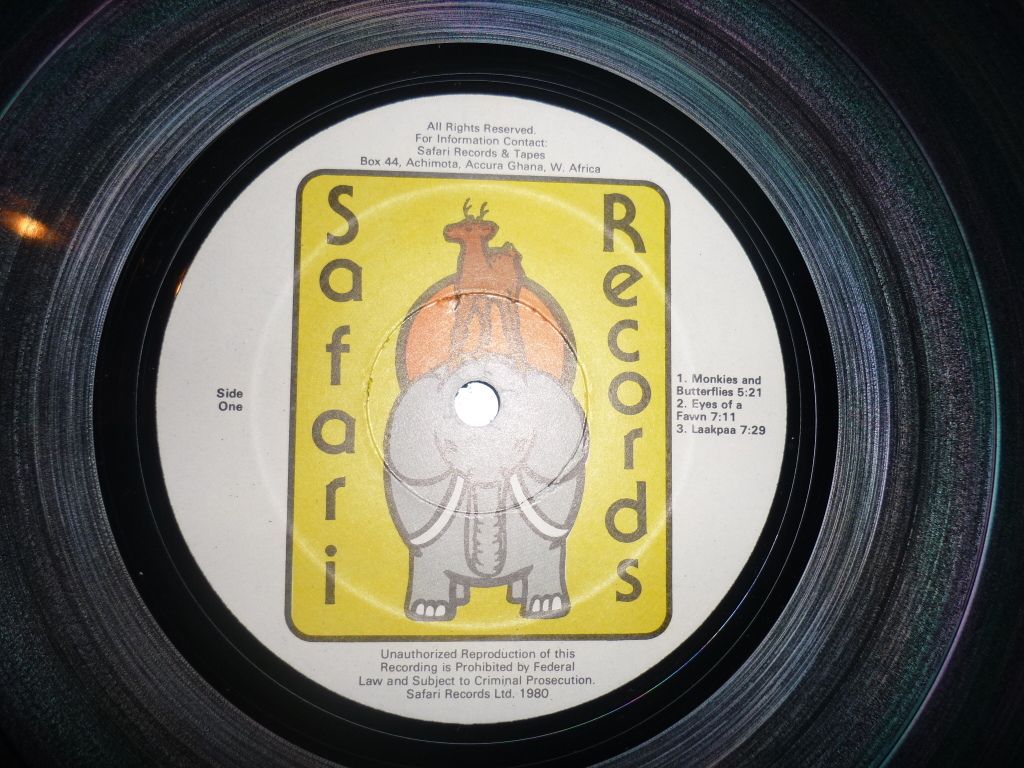
Released on Ghana's Safari Records in 1980 - what a great record label symbol! Does anyone know if they released any more records?


It seems plausible that a young man would persuade his father to adopt a more modern sound. But I can't help feel that the ever ambitious Guy would have been well aware in 1980, when this record was produced, of the successes of such African musicians as Manu Dibango, Fela Kuti and his old rival Olatunji in the US disco scene. He was certainly aware of the rock band Osibisa as the string arrangements on this record and rhythm guitar were supplied by Kiki Gyan who had played extensively with the band. Furthermore, he must also have been aware of the jazz-funk, jazz-rock movements if for no other reason than the British jazzers on the record were part of these scenes.
Foremost from the British jazz scene on this record was Ian Carr. Carr played with Guy Warren in the sixties on his own records and on Warren's Afro Jazz LP. By 1980 Carr, together with saxophonist Brian Smith and keyboard player Geoff Castle and bassist Billy Kristain had all played together in Carr's jazz-rock-funk outfit Nucleus.
The final elements in the mix are Tom McCarthy and Sharon Shapiro who produced a number of disco records in New York. I think the presence of Michael Benedictus, also as arranger, who would go on to produce Don't Make Me Wait together with Larry Levan as the Peech Boys, must also have helped give this record its dance-floor-friendly flavour.

For a Guy Warren fan such as myself one of the joys of this record is hearing three of the great man's tracks re-recorded. Monkies and Butterflies and Highlife are from Africa Speaks, America Answers (read about it here), while Happy Feeling is, perhaps his most well know track as it was covered by Bert Kaempfert.

Needless to say the playing is exemplary. There is a different feel for each track. The opener, Monkies and Butterflies is a joyous party track with the band chanting and singing over a, sometime shambolic, but always infectious rhythm. Carr provides a great solo.


Next is Eyes of a Fawn which reminds me somewhat of a slightly less tight Brotherhood of Breath - which is a compliment!


The best part of the final track on the first side, Laakpaa, is the second half which consists of nothing more than chanting, singing and basic percussion. Magnetic, hypnotic stuff.


Over on side two we get the full disco treatment. I'd love to hear this in a proper club situation - in fact I'll have to play it sometime! It just builds and builds without a let up as strings, female vocals and even some disco synth stabs are added. Its definitely the most 'modern' track on the LP.


After such a dancefloor killer the last two tracks, both covers of earlier Guy Warren tracks seem somewhat subdued. However, after you have calmed down from Love of Rhythm, both Happy Feeling and High Life have much to offer.


I urge you to track down a copy of this fine record. Although its not super rare, I've seen it in some shockingly bad conditions, so spend a bit of time and track down a decent copy! Good luck